Cats · Product picks
The Best Cat Litter
Dr. Elsey's Ultra is our top pick for most cats. See five researched litters, plus how to choose by type, scent and kitten needs.
We may earn a commission if you buy through links on this page. It never decides what we pick.How that works
The best litter for most cats is a clumping, unscented one that is easy to scoop. Our top pick is Dr. Elsey’s Ultra Litter. This guide also covers litters for kittens, plant-based and pine options, and scented litter for odor control.
Our picks at a glance
- Best overall: Dr. Elsey’s Ultra Litter
- Best for kittens: Dr. Elsey’s Kitten Attract Litter
- Best natural clumping litter: World’s Best Cat Litter Multiple Cat Unscented
- Best for odor control: Fresh Step Odor Shield Scented Multi-Cat Litter
- Best non-clay litter: Dr. Elsey’s Pine Litter
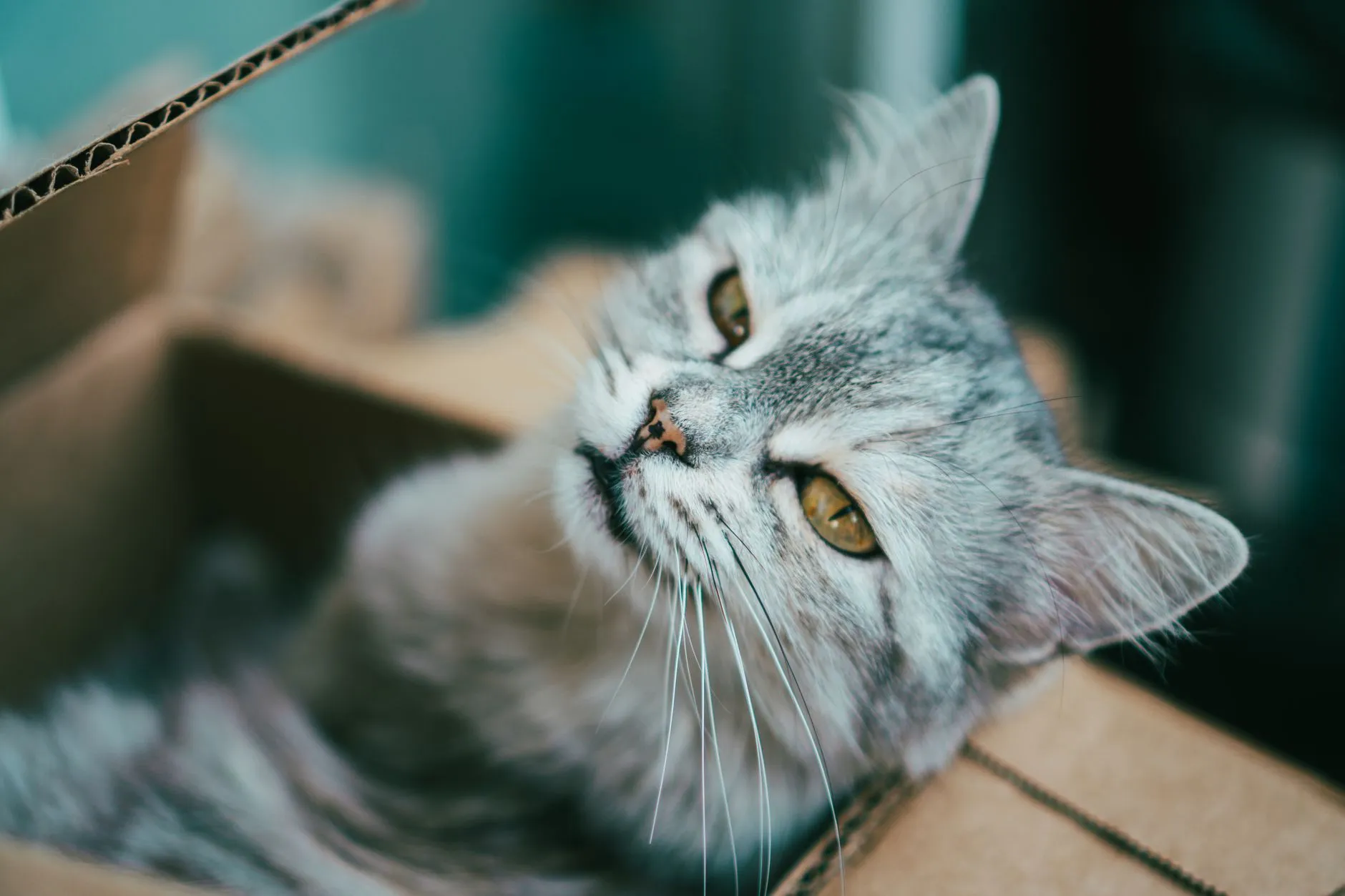
The best cat litters
Cat litters
Dr. Elsey's Ultra Litter
Best for: Most cats, including multi-cat homes
This is a clay litter that clumps hard and has no added perfume. The maker says it is low tracking and 99% dust-free, and it suits homes with one cat or several. Skip it if you want a litter you can flush, since the maker says to put it in the trash.
- Pro: Hard clumps that stay together for easy scooping
- Pro: Unscented, with no added perfumes
- Pro: Low tracking and 99% dust-free, says the maker
- Con: Maker says to put used litter in the trash, not the toilet
Cat litters
Dr. Elsey's Kitten Attract Litter
Best for: Kittens learning to use the box
This litter is made for kittens from 8 weeks to 1 year old. It has a herbal attractant and granules sized for young paws. The maker suggests moving to its Cat Attract litter after age 1, so it is not a long-term pick.
- Pro: Granule size made for young paws
- Pro: Herbal attractant to draw kittens to the box
- Pro: Low dust
- Con: Meant for kittens up to age 1
- Con: Maker says to put used litter in the trash, not the toilet
Cat litters
World's Best Cat Litter Multiple Cat Unscented
Best for: Owners who want a lighter plant-based litter
This litter is made from whole-kernel corn and clumps quickly. It is unscented, and the maker calls it 99% dust-free. It comes in 8, 15, 28 and 32 lb bags. The maker says to flush only one or two clumps at a time, and only in well-maintained systems. Skip it if your cat is picky about texture.
- Pro: Made from whole-kernel corn grown in the U.S.
- Pro: Unscented and 99% dust-free, says the maker
- Pro: Sold in 8, 15, 28 and 32 lb bags
- Con: Flushing is only for well-maintained systems, 1-2 clumps at a time
- Con: Some cats may not like a different texture than clay
Cat litters
Fresh Step Odor Shield Scented Multi-Cat Litter
Best for: Multi-cat homes that want odor control
This is a clumping clay litter with odor-eliminating carbon and a Febreze scent. The maker says it works in automatic litter boxes and comes in 14, 22, 38 and 42 lb sizes. Skip it if your cat is sensitive to smells, because vets suggest unscented litter.
- Pro: Strong clumping clay with odor-eliminating carbon
- Pro: Low-dust formula
- Pro: Works with automatic litter boxes, says the maker
- Con: Scented, and cats can be sensitive to smells
Cat litters
Dr. Elsey's Pine Litter
Best for: Owners who want a clay-free, single-ingredient litter
This litter is 100% kiln-dried pine pellets with no dyes or additives. It does not clump. The pellets break down into sawdust, and the maker says to replace the litter when about 90% has turned to sawdust. Skip it if you want clumps to scoop.
- Pro: Only one ingredient, kiln-dried pine, with no dyes or additives
- Pro: Low dust and unscented
- Pro: Biodegradable
- Con: Does not clump
- Con: Pellets turn to sawdust, so it needs shaking and a full change
How to choose cat litter
Clumping or non-clumping?
The ASPCA says most cats prefer clumping, unscented litter. The Merck Veterinary Manual says most cats like small, clumping particles, such as clay-based litter. Other materials include pine pellets, recycled paper and silica gel crystals.
Should the litter have a scent?
Cats can be sensitive to smells, so the Merck Veterinary Manual suggests unscented litter. The ASPCA agrees. Odor control is best done by scooping often.
What did your cat use before?
The ASPCA says cats may prefer the litter they used as kittens. If you want to change brands, put boxes side by side with different litters and let your cat choose. Some cats do not like change.
How deep should the litter be?
The ASPCA says cats usually prefer one to two inches. Some litter makers suggest three to four inches. If your cat avoids the box, try less.
Kittens
Kitten litters are made for young paws. Dr. Elsey’s Kitten Attract Litter is meant for kittens from 8 weeks to 1 year old. Ask your vet if you are unsure what to use for a young kitten. If you are also choosing food, see can kittens eat cat food?.
Safety tips
- Scoop every day. The Merck Veterinary Manual says to scoop daily and clean the whole box at least once a week. The ASPCA suggests washing it with baking soda or unscented soap and avoiding ammonia-based cleaners.
- Have enough boxes. Have one for each cat, plus one extra. Add one per floor in a multi-level home.
- Pick a big box. Cats like room to dig and turn around.
- Put it in a calm spot. The ASPCA says to avoid food bowls, noisy appliances and busy areas, and to choose a place with more than one way out.
- Follow the disposal directions. Several makers here say not to flush their litter, and others limit how much you can flush. Check the label.
- Call your vet if litter habits change. If your cat suddenly stops using the box, a health problem may be the cause.
Common questions
What kind of litter do most cats like?
The ASPCA says most cats prefer clumping, unscented litter. The Merck Veterinary Manual says most cats like small, clumping particles, such as clay-based litter.
How deep should the litter be?
The ASPCA says cats usually prefer one to two inches of litter over three to four inches. Some litter makers suggest 3 to 4 inches, so start shallow and watch your cat.
How often should I scoop the litter box?
Scoop every day, and clean the whole box at least once a week, according to the Merck Veterinary Manual. Multi-cat homes need more cleaning.
How many litter boxes do I need?
Have one box for each cat, plus one extra. The Merck Veterinary Manual also suggests one box on each floor of a multi-level home.