Dogs · Product picks
The Best GPS Trackers for Dogs
The Fi Series 3+ is our top pick for most dogs. See how six GPS trackers compare on size, battery, subscriptions and range, plus how to choose one.
We may earn a commission if you buy through links on this page. It never decides what we pick.How that works
The best GPS tracker for most dogs is the Fi Series 3+, which combines tracking, a long battery and a fit for dogs from XS to XL. If you hunt, need a fence, or have a very big or small dog, one of the other picks below may suit you better.
Our picks at a glance
- Best overall: Fi Series 3+ Smart Dog Collar
- Best for small dogs: Tractive DOG 6
- Best for big dogs: Tractive DOG 6 XL
- Best for hunting and off-grid: Garmin TT 15 Mini Dog Device
- Best for virtual fences: Halo Collar 5
- Best for containment without a required subscription: SpotOn GPS Fence
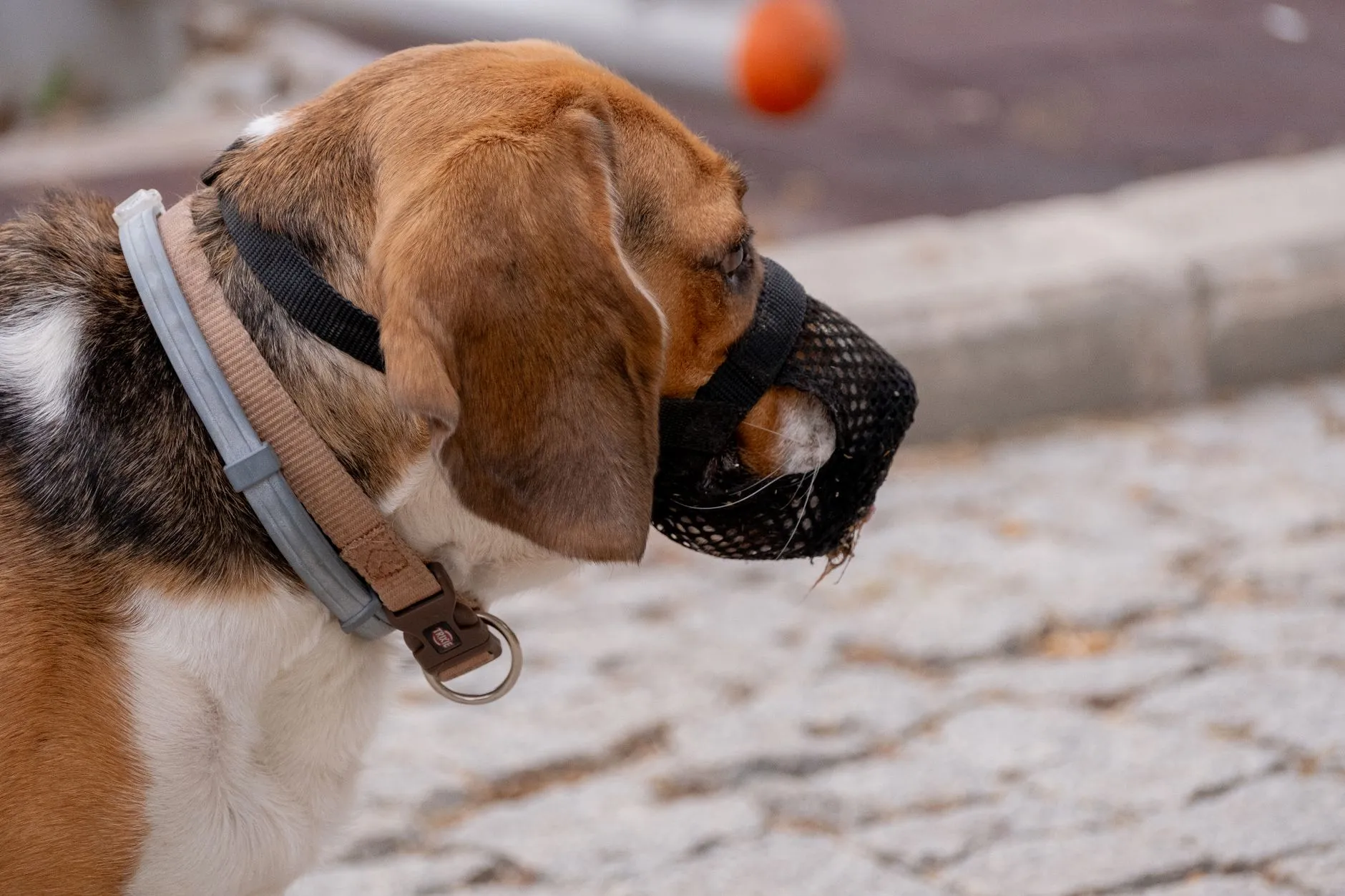
The best GPS trackers for dogs
GPS trackers for dogs
Fi Series 3+ Smart Dog Collar
Best for: Everyday tracking for most dog sizes
Fi says this collar’s battery lasts up to 3 months and that it fits dogs from XS to XL. It is rated IP68 and IP66K, and it has LED lights and activity tracking in the app. Skip it if you want to keep your dog’s current collar, because the tracker is built into Fi’s collar. A membership is required.
- Pro: Fi lists battery life of up to 3 months
- Pro: Modular design fits dogs from XS to XL
- Pro: Rated IP68 and IP66K, including salt and fresh water
- Con: Needs a paid membership to work
- Con: Collar and tracker are one unit, so you buy Fi's collar
GPS trackers for dogs
Tractive DOG 6
Best for: Smaller dogs and dogs who wear their own collar
Tractive’s DOG 6 weighs 1.4 ounces and is made for dogs above 9 pounds. It clips onto a collar or harness you already own and uses LTE cell networks. Tractive says the battery lasts up to 2 weeks with Power Saving Zones. A subscription is required, and it is not meant for dogs under 9 pounds.
- Pro: Weighs 1.4 oz and is built for dogs above 9 lbs
- Pro: Waterproof (IP68) and uses LTE cell networks
- Pro: Attaches to a collar or harness you already own
- Con: Needs a paid subscription for location data
- Con: Battery is up to 2 weeks with Power Saving Zones
GPS trackers for dogs
Tractive DOG 6 XL
Best for: Dogs above 44 pounds
The DOG 6 XL is for dogs above 44 pounds. Tractive says its battery lasts up to 6 weeks with Power Saving Zones, and it adds brighter LEDs and louder sound. At 2.5 ounces it is too large for small dogs. A subscription is required.
- Pro: Built for dogs above 44 lbs
- Pro: Battery up to 6 weeks with Power Saving Zones
- Pro: Brighter LEDs and enhanced sound to help find your dog
- Con: Bigger and heavier (2.5 oz) than the DOG 6
- Con: Needs a paid subscription for location data
GPS trackers for dogs
Garmin TT 15 Mini Dog Device
Best for: Hunting and field dogs in areas with no cell service
This collar sends location to a paired Garmin handheld by radio, up to 4 miles, so it does not depend on cell service. Garmin says it fits necks as small as 9.5 inches, and battery life is 16 to 30 hours of typical use. It also has training features. Skip it if you want a phone app, because you need a separate handheld such as the Alpha 100 or Astro 320.
- Pro: Radio range of up to 4 miles to a paired handheld
- Pro: Fits necks as small as 9.5 inches
- Pro: Water rated to 1 ATM (10 meters)
- Con: Needs a separate Garmin handheld, such as the Alpha 100 or Astro 320
- Con: Battery is about 16 to 30 hours of typical use
GPS trackers for dogs
Halo Collar 5
Best for: Owners who want a GPS fence anywhere
Halo’s collar adds GPS fences you draw anywhere to its tracking. Halo lists up to 48 hours per charge, an IP67 rating, and a fit for necks of 8 to 30.5 inches. Its feedback options include sound, vibration and static. Skip it if you don’t want a collar with those options. It is for dogs over 5 months old and 10 pounds or more, and a membership is required.
- Pro: Up to 48 hours per charge, per Halo
- Pro: IP67 waterproof rating
- Pro: Fits necks of 8 to 30.5 inches
- Con: Needs a paid membership plan
- Con: Meant for dogs over 5 months old and 10+ lbs
GPS trackers for dogs
SpotOn GPS Fence
Best for: Dogs who need a yard boundary with no buried wire
SpotOn makes a wireless GPS fence collar. SpotOn says the core fence works without a required subscription, and you can make unlimited fences. Tracking and breach alerts are an optional paid plan. It is for dogs at least 15 pounds with necks of 10 inches or more, so it’s not for toy breeds.
- Pro: Core fence works with no required subscription
- Pro: Unlimited fences from 1/3 acre to over 100,000 acres
- Pro: Includes free virtual training sessions
- Con: Not for dogs under 15 lbs or necks under 10 inches
- Con: Location tracking and breach alerts are an optional paid plan
How to choose a GPS tracker for dogs
GPS and Bluetooth trackers are not the same
The AKC says GPS trackers work across wide areas using satellites and cell networks. Bluetooth trackers only reach about 30 feet and rely on a nearby phone to share their location. The AKC also says manufacturers caution against using Bluetooth item trackers on living things. For a dog who may run off, choose GPS.
Check the subscription
The AKC says GPS trackers with a SIM card need a plan, and it lists $5 to $10 a month as a typical range. Check what the plan covers and how long you must sign up for before you buy. SpotOn says its core fence needs no required plan, and Garmin’s collar uses radio to a handheld instead of a cell network.
Match the size to your dog
Makers set minimum sizes. Tractive’s DOG 6 is for dogs above 9 pounds, and its XL models are for dogs above 44 and 55 pounds. SpotOn asks for 15 pounds and a 10-inch neck. Halo asks for 10 pounds and a dog over 5 months. A tracker that is too heavy for a small dog is a poor fit.
Think about where you walk
Cell-based trackers need network coverage. Garmin’s collar uses radio to a handheld, so it works differently. Pick the type that matches where you hike or hunt.
Look at battery and water ratings
Battery claims range from about 16 to 30 hours (Garmin) to up to 3 months (Fi). Those are manufacturer claims and depend on how you use the device. If your dog swims, check the water rating. Ratings here run from 1 ATM (Garmin) to IP68 (Tractive and Fi).
Decide if you want a fence
A tracker shows where your dog is. A fence collar lets you set a boundary. Halo and SpotOn offer fences. See our guide to no-pull dog harnesses if your dog also pulls on walks.
Safety tips
- Check the fit. Makers list minimum dog sizes and neck sizes, so follow them.
- Charge the device often and check the battery before each outing. A dead tracker can’t help you.
- Look at the skin under the collar now and then for rubbing or redness.
- Don’t rely on a tracker alone. Keep your dog’s ID tag on the collar.
- Garmin’s TT 15 Mini and the Halo Collar 5 offer training feedback such as stimulation. Read the manufacturer’s directions before you use any of it, and talk to your vet or a trainer if you have questions.
Common questions
Do dog GPS trackers need a subscription?
Most do. The AKC says GPS trackers with a built-in SIM card need a plan, and it lists $5 to $10 a month as a typical range. SpotOn says its core fence needs no subscription, and the Garmin collar talks to a handheld by radio instead of a cell network.
Is an AirTag a good dog tracker?
The AKC says Bluetooth trackers only update when a phone is nearby and show "last seen" spots. It also says their makers warn against using them on living things. A GPS tracker is the better fit.
Can a GPS tracker fit a small dog?
Some can. Tractive says the DOG 6 is for dogs above 9 pounds, and Halo says its collar suits dogs 10 pounds and up. Garmin says the TT 15 Mini fits necks as small as 9.5 inches.
What is the difference between a GPS tracker and a GPS fence?
A tracker shows you where your dog is. A GPS fence lets you draw a boundary in an app and warns your dog near the edge. Halo and SpotOn are fence collars that also track.