Dogs · Guide
Can Dogs Eat Grits?
Yes, dogs can eat a little plain, cooked grits. Butter, lots of salt, cheese, onion and garlic are the problem. Here is how to serve them and what to skip.
Yes, dogs can eat a small spoonful of plain, cooked grits once in a while. Grits are made from corn, and the AKC says plain corn is fine for dogs in small amounts. The trouble is what people add: butter, salt, cheese, onion, or garlic.
Why are plain grits okay for dogs?
Corn is not toxic to dogs. The AKC says it gives dogs carbohydrates for energy, a fatty acid called linoleic acid, and fiber. The AKC also says cooked corn starch is much easier for dogs to digest than raw starch. Its figures are about 95% for cooked and about 60% for raw.
Grits are cooked before they are served, so that helps. I did not find a vet source that tests grits for dogs. So this is based on what vets say about plain corn, not on grits themselves.
Grits don’t give much besides energy. Think of them as a small extra, not a meal.
What should I not add to grits for my dog?
Most grits are not served plain. Here is what to leave out:
- Butter. The AKC advises against buttered corn because the added fat and salt can upset a dog’s stomach.
- Salt. The Merck Veterinary Manual says too much salt makes dogs vomit within a few hours. Worse cases can bring weakness, diarrhea, muscle tremors, and seizures. A taste of lightly salted grits is far from those amounts, but salt adds up.
- Onion, garlic, and chives. The ASPCA says these can upset the stomach and damage red blood cells, which can lead to anemia. That means the blood can’t carry enough oxygen. Check mixes and toppings for them.
- Cheese. See below.
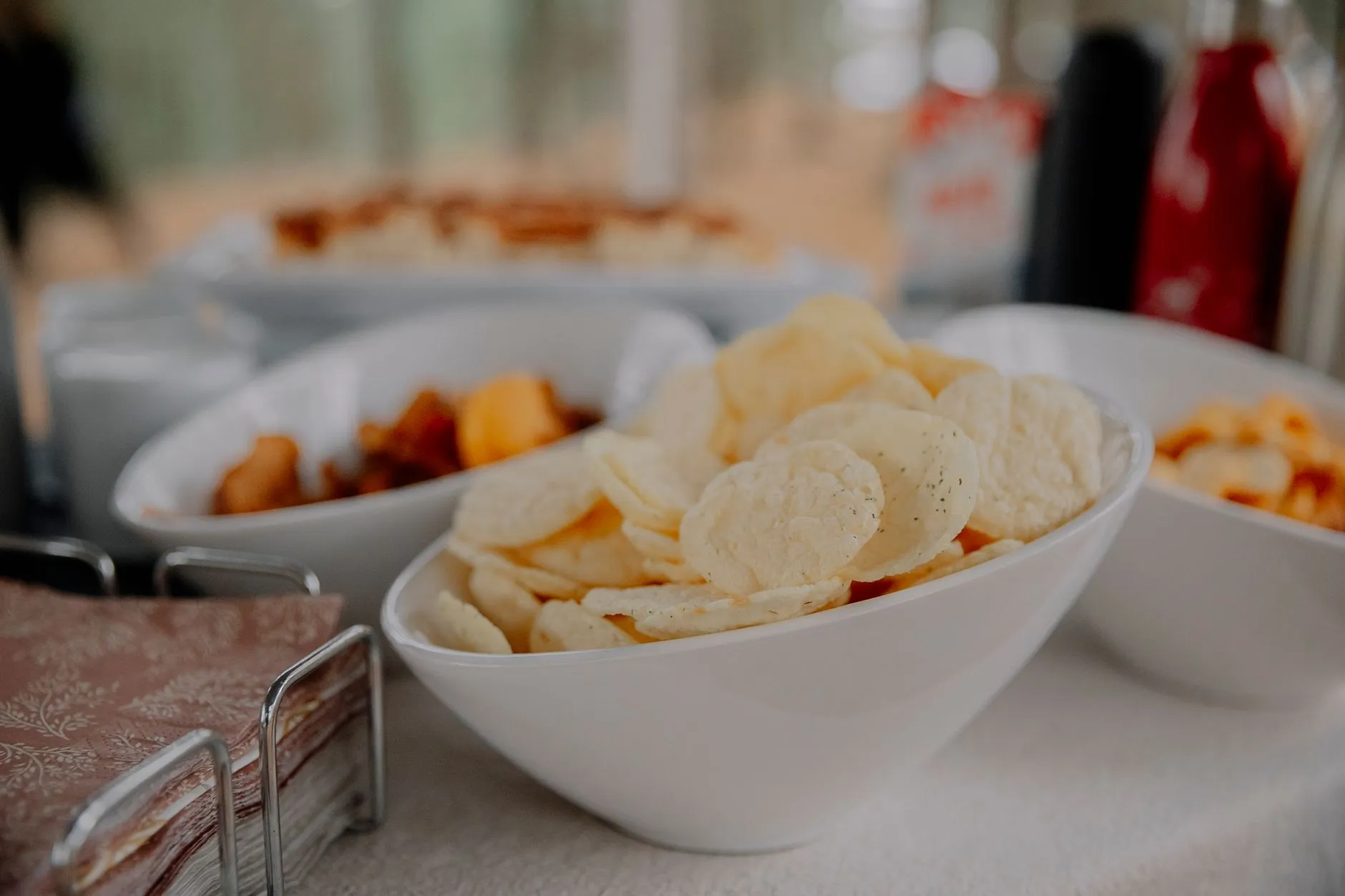
Can dogs eat cheese grits?
It is better not to. The AKC says cheese is high in fat. Too much can cause weight gain, and it can trigger pancreatitis, a serious swelling of the pancreas. The AKC also says some cheeses have garlic, onion or chives in them.
A few shreds of plain cheese as a treat is one thing. A bowl of cheesy grits is a lot more fat and salt. Skip it.
How can I serve grits to my dog safely?
- Cook them in plain water, with nothing added.
- Let them cool down so they don’t burn your dog’s mouth.
- Offer a spoonful on top of regular food, or just as a small treat.
- Watch for stomach upset the first time. Signs include vomiting, loose stool, or not wanting to eat.
- Keep fresh water out for your dog.
How many grits can a dog eat?
I found no vet source that gives an amount of grits for dogs, so I won’t make one up. The AKC’s advice for corn is to keep it small and occasional. A good general rule is that all treats together should stay under about 10% of your dog’s daily calories.
Ask your vet first if your dog has a health condition, such as diabetes or weight problems, or eats a special diet.
What about dry or instant grits?
I found no vet source that covers dry grits, instant grits, or packets with flavoring. Here is what the sources do support:
- Plain cooked is the form that fits the corn advice from the AKC.
- Flavored packets often have salt, butter flavor, or cheese. Read the label, and skip the packet if you see onion, garlic, or a lot of salt.
- If your dog ate a lot of dry grits or a flavored packet, call your vet for advice.
Can dogs have an allergy to corn?
It’s possible, but the AKC says true corn allergies are fairly uncommon. If your dog gets itchy skin, ear problems, or stomach upset after eating corn foods, stop and talk to your vet.
Other things to try instead
- A few plain corn kernels cut off the cob. Never give the cob, because it can block the gut. Read more in our guide to corn for dogs.
- A spoonful of plain cooked rice.
- A small piece of plain cheese now and then, if your dog does well with it. See our cheese guide.
For a bigger list of foods to keep away from your dog, see our guide to foods that are toxic to dogs.
Common questions
Are grits good for dogs with an upset stomach?
I found no veterinary source that recommends grits for an upset stomach. If your dog is throwing up or has diarrhea, call your vet instead of trying home foods.
Can puppies eat grits?
I found no veterinary source that covers grits for puppies. Puppies have different needs from adult dogs, so ask your vet before you share people food with a puppy.
Is corn allergy common in dogs?
Not very. The AKC says true corn allergies are fairly uncommon in dogs. Beef, dairy, soy and wheat are named as more common triggers. Any dog can still react to any food.
Can dogs eat cheese grits?
It is better to skip them. Cheese is high in fat, and the AKC says too much can lead to pancreatitis, a painful and sometimes deadly swelling of the pancreas. Some cheese also has garlic or onion.