Dogs · Guide
What Cheese Can Dogs Eat?
The AKC suggests low-fat cheeses like mozzarella, cottage, or soft goat cheese in tiny bites. Here is how other cheeses compare and which to skip.
Yes, dogs can have a little plain cheese. The AKC suggests low-fat kinds like mozzarella, cottage cheese, or soft goat cheese. Give only a small cube or a few shreds. Skip any cheese with garlic, onion, chives, or mold.
Why do some cheeses suit dogs better than others?
Three things matter most: fat, salt, and milk sugar (lactose).
- Fat. The AKC says cheese is high in fat, which can lead to weight gain. It also links high-fat cheese to pancreatitis, a painful swelling of the pancreas, which the AKC calls potentially fatal.
- Salt. The ASPCA says too much salt can make pets very thirsty. In bad cases it can cause vomiting, diarrhea, tremors, and seizures.
- Lactose. The ASPCA says dogs don’t make much of the enzyme that breaks down lactose, so dairy can upset their stomachs. The AKC adds that cheese has less lactose than milk. Still, a dog with a very sensitive stomach may react to even a little.
That is why the AKC picks mozzarella, cottage cheese, and soft goat cheese. They are lower in fat. Cottage cheese is also lower in salt and lactose than most cheeses.
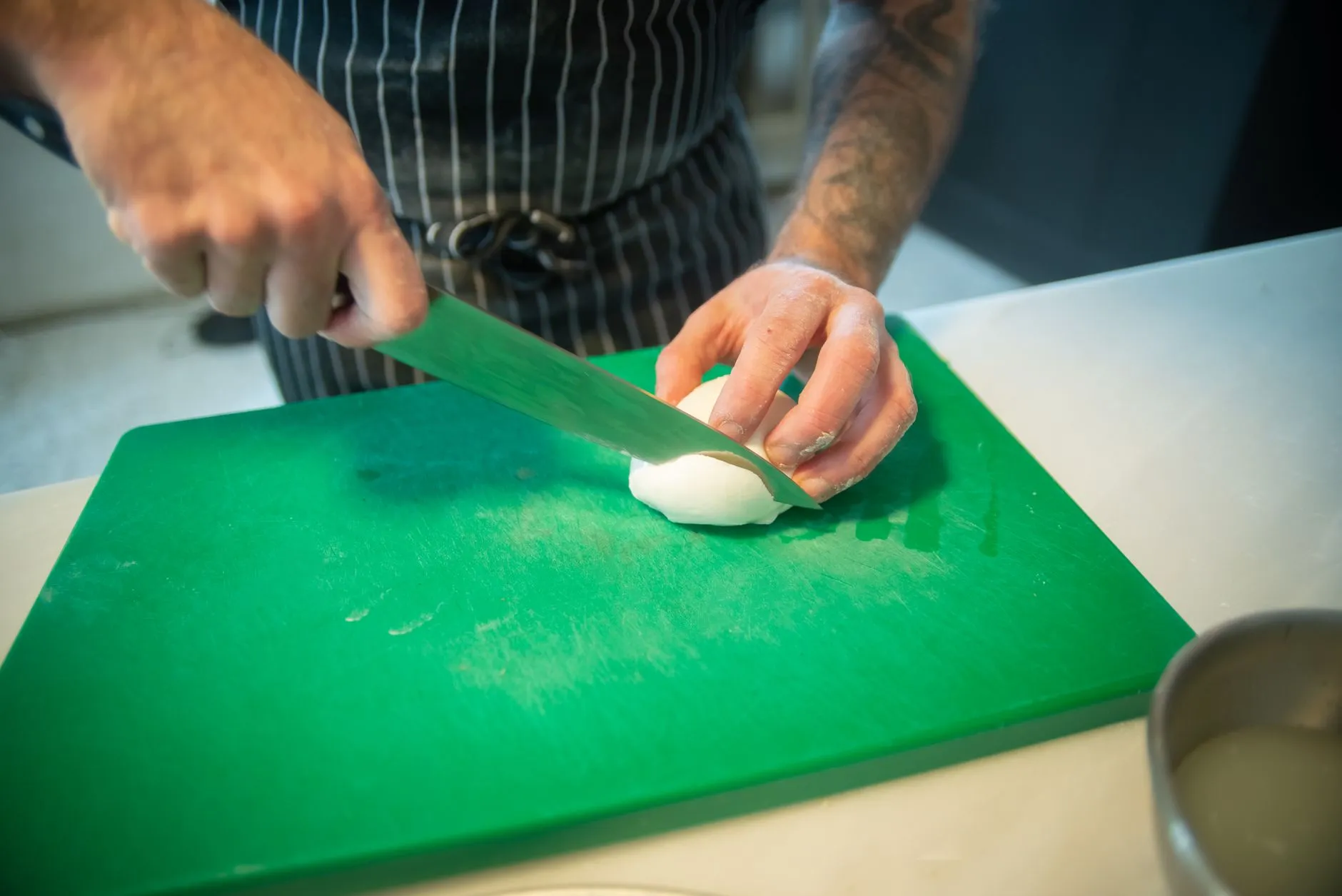
Which cheeses are best for dogs?
| Cheese | What to know |
|---|---|
| Cottage cheese | The AKC says it has less fat, salt, and lactose than most cheeses |
| Mozzarella | Named by the AKC as a low-fat choice |
| Soft goat cheese | Named by the AKC as a low-fat choice |
Pick plain versions. Read the label for added herbs and seasoning.
What about other kinds of cheese?
The sources we read name only the three cheeses above. They do not rate the others. So we can’t tell you that one is safe and another is not, and we won’t guess. Use the same rules for any cheese: plain, a tiny piece, and not often.
Can dogs eat cheddar, Swiss, or Parmesan?
None of our sources rate these. They are not on the AKC’s low-fat list. If you want to share a tiny bite, check the label for salt and added flavors first. Mozzarella or cottage cheese is the better pick.
Can dogs eat American cheese, processed cheese, or Easy Cheese?
We found no veterinary source that rates these. Read the label. The ASPCA warns about garlic, onion, and too much salt, so skip any product with those. A small bite will likely do no harm, but plain mozzarella is an easier choice.
Can dogs eat blue cheese?
It is better not to. Blue cheese is made with mold. The Merck Veterinary Manual says a mold poison called roquefortine C was not very toxic in mouse tests and may not be an important cause of poisoning. So a nibble is unlikely to be a big risk, but there is no reason to share it.
Can dogs eat cheese rinds?
We found no source that covers rinds, so we can’t call them safe. Rinds are also not a treat your dog needs. If a rind has mold or has gone bad, treat it as moldy food (see below).
Can dogs eat cheese with garlic, onion, or chives?
No. These plants can damage a dog’s red blood cells. The Merck Veterinary Manual says signs often don’t show until a few days later. They include weakness, tiredness, fast breathing, yellow gums or skin, and dark urine. Dried powders and flakes are the forms most often linked to poisoning. That makes herb spreads and flavored cheese worth avoiding.
What about moldy cheese?
Don’t let your dog eat it. The Merck Veterinary Manual lists dairy products among moldy foods dogs have eaten before tremor poisoning. Signs can start in 1 to 2 hours. They include vomiting, tremors, high body heat, and seizures. The ASPCA says signs can last 24 to 48 hours and can be life-threatening. Keep trash and compost out of reach.
How should I serve cheese to my dog?
- Offer a small cube or a few shreds. This is the AKC’s guidance.
- Choose plain, low-fat cheese.
- Add new cheese slowly. Watch for loose stool, gas, or vomiting.
- Ask your vet first if your dog is overweight, has had pancreatitis, or has a sensitive stomach.
For more on lactose and cheese, see our guide on whether dogs can eat cheese. Cheese in a dish is another matter, so see mac and cheese for dogs.
Other treats to try
If cheese upsets your dog’s stomach, pick another treat. For the full list of foods to avoid, see foods that are toxic to dogs.
Common questions
What is the best cheese for dogs?
The AKC says to choose low-fat cheeses like mozzarella, cottage cheese, or soft goat cheese. It says cottage cheese has less fat, salt, and lactose than most other cheeses.
How much cheese can I give my dog?
The AKC says a small cube or a few shreds is usually enough. It gives no exact number, so ask your vet if your dog is small, overweight, or has had stomach trouble.
Is cheese bad for dogs with pancreatitis?
Cheese is high in fat, and the AKC links high-fat cheese to pancreatitis. The Merck Veterinary Manual says a vet may suggest low-fat treats for a dog with mild pancreatitis. Ask your vet before giving any cheese.
Can dogs who cannot handle milk eat cheese?
Sometimes. The AKC says some dogs that struggle with milk can handle cheese. Every dog is different, so stop if you see loose stool, gas, or vomiting.
Sources
- AKC: Can Dogs Eat Cheese? Feeding Cheese to Your Dog
- AKC: Can Dogs Drink Milk?
- ASPCA Animal Poison Control: People Foods to Avoid Feeding Your Pets
- Merck Veterinary Manual (Dog Owners): Pancreatitis and Other Disorders of the Pancreas in Dogs
- Merck Veterinary Manual: Garlic and Onion (Allium spp) Toxicosis in Animals
- Merck Veterinary Manual: Tremorgenic Neuromycotoxicosis in Dogs
- ASPCA: Animal Poison Control Alert, The Dangers of Moldy Food