Cats · Product picks
The Best Automatic Cat Feeders
The PetSafe Smart Feed is our top pick for automatic cat feeders. See five researched options, plus how to choose one and use it safely.
We may earn a commission if you buy through links on this page. It never decides what we pick.How that works
The best automatic cat feeder for most homes is the PetSafe Smart Feed. It schedules up to 12 dry-food meals a day from an app. If your cat eats wet food, look at the Cat Mate C500. If cats steal each other’s food, look at the SureFeed Microchip Pet Feeder.
Our picks at a glance
- Best overall: PetSafe Smart Feed Automatic Dog and Cat Feeder, 2nd Generation
- Best for wet food: Cat Mate Five-Meal Automatic Pet Feeder with Digital Timer (C500)
- Best for jam protection: Feeder-Robot Automatic Pet Feeder
- Best for freshness features: PETLIBRO Granary Smart Feeder
- Best for multi-cat homes: SureFeed Microchip Pet Feeder
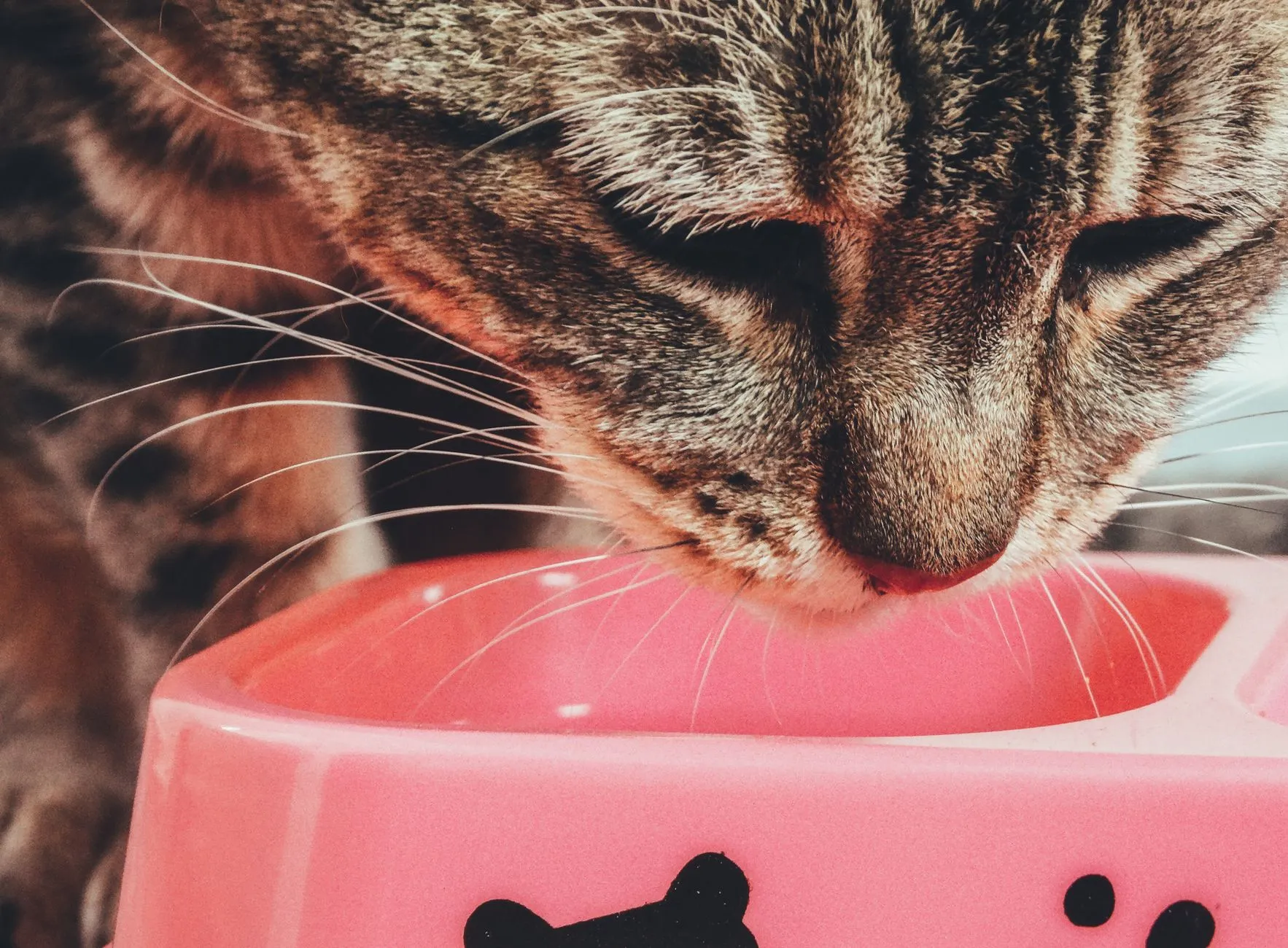
The best automatic cat feeders
Automatic cat feeders
PetSafe Smart Feed Automatic Dog and Cat Feeder, 2nd Generation
Best for: Cat owners who want app control and many meals a day
PetSafe lists up to 12 meals a day, with portions from 1/8 cup to 4 cups, and app and Alexa control. It also has a battery backup option and a “Slow Feed” setting. It holds dry or semi-moist food only, so skip it if your cat eats wet food.
- Pro: Up to 12 scheduled meals a day, from 1/8 cup to 4 cups each
- Pro: Holds 24 cups of dry or semi-moist food
- Pro: Optional battery backup (4 D-cell batteries), and a "Slow Feed" setting that spreads a meal over 15 minutes
- Con: Dry or semi-moist food only
- Con: Needs a 2.4GHz Wi-Fi network for app control
Automatic cat feeders
Cat Mate Five-Meal Automatic Pet Feeder with Digital Timer (C500)
Best for: Cats eating wet food, or short trips away
This simple tray feeder needs no Wi-Fi. Each of its five compartments holds 330g of wet food or 155g of dry food, and ice packs come with it. The timer sets up to four meals, so it suits short gaps in the day better than long trips.
- Pro: Works with wet, dry and raw food
- Pro: Twin ice packs are included to keep food fresher
- Pro: Dishwasher-safe bowl and lid, and about 12 months of use from 3 AA batteries
- Con: Only five compartments, and the timer programs four meals
- Con: Each compartment holds a limited amount of food
Automatic cat feeders
Feeder-Robot Automatic Pet Feeder
Best for: Owners who want a feeder that keeps its schedule offline
Whisker says this feeder has anti-jam technology and keeps to its programmed schedule even when offline. It holds up to 32 cups of kibble. It takes dry or semi-moist kibble 5/8 inch or smaller, and not wet food.
- Pro: Anti-jam technology with food backup detection
- Pro: Works offline with programmed schedules
- Pro: Removable bowl and hopper insert are dishwasher safe
- Con: Dry or semi-moist kibble only, 5/8 inch or smaller
- Con: Optional backup battery is sold separately
Automatic cat feeders
PETLIBRO Granary Smart Feeder
Best for: Cat owners with dry food who want app scheduling
This 5-liter Wi-Fi feeder schedules up to 10 meals a day and uses a sealed design to help keep food fresh. It works with dry kibble from 2mm to 15mm. Skip it if you feed wet food or very large kibble.
- Pro: Schedules up to 10 meals a day from the app
- Pro: Quadruple-sealed design for freshness, with a stainless steel bowl
- Pro: Battery backup using 3 D batteries (sold separately) if the power goes out
- Con: Dry food only
- Con: Works with kibble 2-15mm wide only
Automatic cat feeders
SureFeed Microchip Pet Feeder
Best for: Homes where cats steal each other's food
This feeder reads your cat’s microchip and opens only for that cat. Sure Petcare says it suits weight management and prescription food in multi-pet homes. It does not appear to serve timed meals, and your cat needs a microchip.
- Pro: Opens only for your pet's microchip number
- Pro: Works with wet and dry food
- Pro: 6+ months of typical battery life on 4 C batteries
- Con: Your cat needs a microchip
- Con: Guards food rather than serving timed meals
How to choose an automatic cat feeder
How often should your cat eat?
Cornell Feline Health Center says kittens under six months usually do best with three meals a day. From six months to a year, twice a day is generally best. Adult cats do well with one or two meals a day in most cases. Ask your vet what suits your cat. Our guide on what kittens can eat has more on kitten food.
Wet food or dry food?
Check this first. Three of these feeders are for dry food only. The Cat Mate C500 and the SureFeed list wet food as compatible. Cornell notes that both wet and dry food are fine if the food is complete and balanced.
Scheduled meals or an open bowl?
Cornell says free-feeding dry food can lead some cats to overeat and gain weight. A feeder with portion settings lets you control the amount. Measure the daily amount your vet suggests, and set the meals to add up to it.
Power and Wi-Fi
App feeders need a Wi-Fi network. The PetSafe needs 2.4GHz. Look for a battery backup so meals still happen if the power goes out. The PetSafe and PETLIBRO list battery backups. Whisker lists an optional backup battery, sold separately.
Capacity, kibble size and cleaning
Check the maximum kibble size and how many meals fit in the hopper. Also check what can go in the dishwasher. Whisker lists the bowl and hopper insert as dishwasher safe. PetSafe lists its bowl as top-rack safe.
Safety tips
- Test it while you’re home. Watch a few meals before you leave your cat alone with a new feeder.
- Check the numbers. Compare the portion size to your vet’s advice and your cat’s weight. For a cat on a diet, Cornell says weight should come off gradually, because sudden weight loss can cause serious problems. Work with your vet.
- Watch your cat’s habits. If your cat stops eating or seems unwell, call your vet.
- Keep fresh water out. A feeder does not replace water. Cornell says fresh water should always be available, especially for cats eating dry food.
- Clean it regularly. Wash the bowl and any parts the maker says are safe to wash.
- Refresh the food. Cornell says food left out for grazing should be refreshed daily.
- Check what is not safe for cats. See our list of foods toxic to cats.
Common questions
Can an automatic feeder work with wet cat food?
Some can. The Cat Mate C500 and the SureFeed Microchip Pet Feeder list wet food as compatible. The PetSafe Smart Feed, Feeder-Robot and PETLIBRO Granary are for dry food only.
How often should an adult cat eat?
Cornell Feline Health Center says adult cats do well with one or two meals a day in most cases. Kittens under six months usually do best with three meals a day.
Is it okay to leave dry food out all day?
Cornell says free-feeding dry food can lead some cats to overeat and gain weight, though it works for others. Scheduled meals give you more control over how much your cat eats.
Can an automatic feeder work in a multi-cat home?
Yes, but most feeders do not know which cat is eating. The SureFeed Microchip Pet Feeder opens only for the microchip it recognizes, so it is built for this problem.
Sources
- Cornell Feline Health Center: How often should you feed your cat?
- Cornell Feline Health Center: Obesity
- PetSafe: Smart Feed Automatic Dog and Cat Feeder, 2nd Generation
- Closer Pets: Cat Mate Five-Meal Automatic Pet Feeder (C500)
- Whisker: Feeder-Robot Automatic Pet Feeder
- PETLIBRO: Granary Smart Feeder
- Sure Petcare: SureFeed Microchip Pet Feeder