Cats · Guide
Foods and Household Items That Are Toxic to Cats
Onions, garlic, chocolate, alcohol, lilies, and common medicines that poison cats: what each one does, warning signs, and what to do.
The three most dangerous things in your home
These aren’t all foods, but they cause some of the most serious cat poisonings, and a lot of owners don’t know about them.
Lilies
True lilies (Lilium, such as Easter, tiger, Asiatic, and Oriental lilies) and daylilies (Hemerocallis) can cause fatal kidney failure in cats. Every part is toxic: petals, leaves, stems, pollen, and even the water in the vase. A cat that licks pollen off its fur can be poisoned.
Watch for: vomiting, drooling, hiding, and not eating, usually within hours. Kidney damage can follow within one to three days. Early treatment makes a big difference, so go to a vet right away even if your cat seems fine.
If you have a cat, the safest choice is to keep these lilies out of the house entirely, including in bouquets.
Acetaminophen (Tylenol) and other human painkillers
Cats can’t break down acetaminophen safely. Even a single regular-strength tablet can be life-threatening: it damages red blood cells so they can’t carry oxygen, and it can harm the liver. Ibuprofen and naproxen are also dangerous to cats. Never give your cat human medication unless your vet prescribes it.
Watch for: brown or bluish gums, trouble breathing, a swollen face or paws, and weakness.
Dog flea and tick products containing permethrin
Many spot-on flea treatments for dogs contain permethrin, which cats are highly sensitive to. Poisonings usually happen when a dog product is put on a cat, or when a cat cuddles a recently treated dog.
Watch for: twitching, tremors, and seizures. Only use flea products labeled for cats, and keep cats away from a dog until its spot-on has dried.
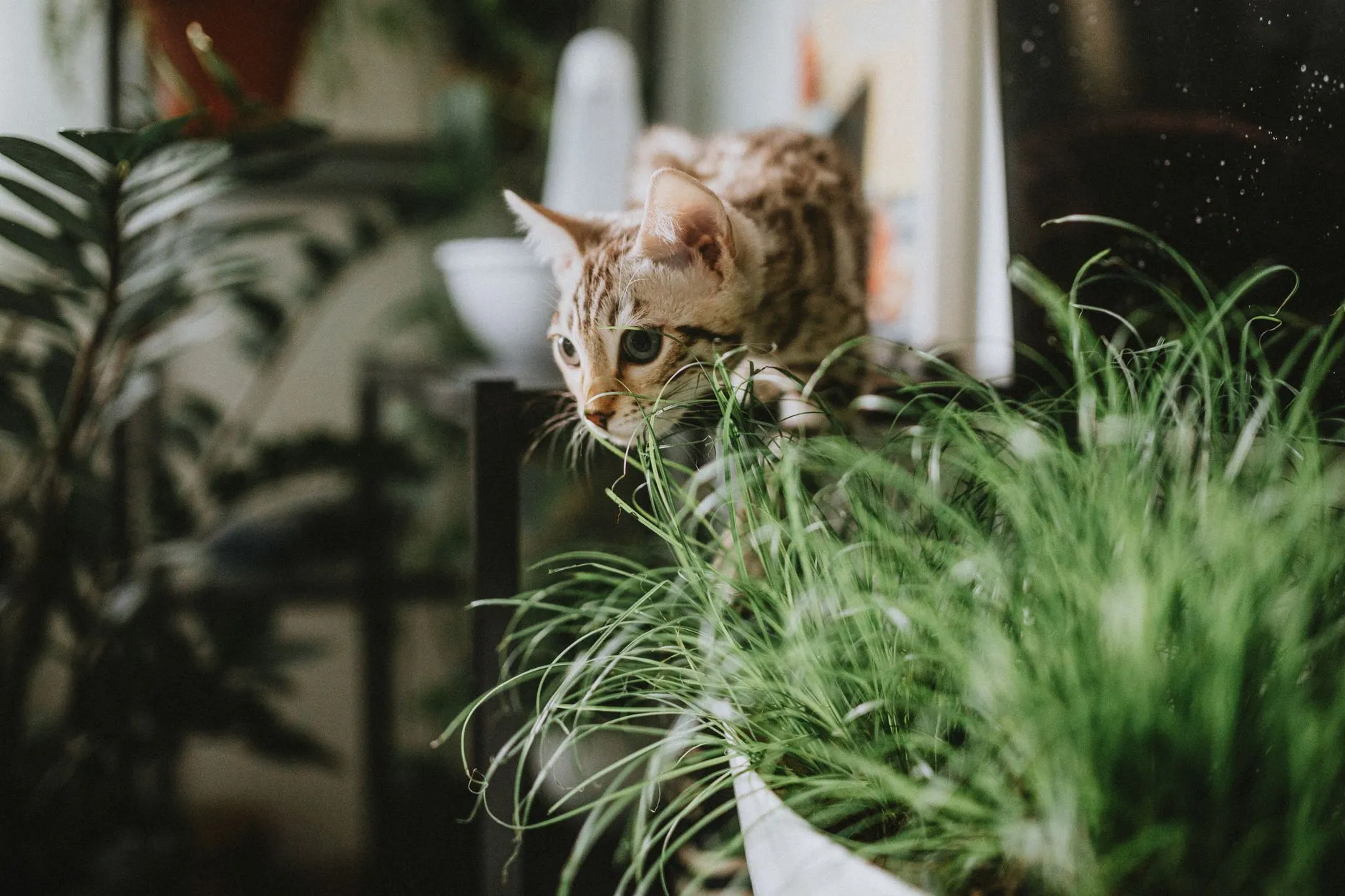
Foods cats should never eat
| Food | Why it’s dangerous |
|---|---|
| Onions, garlic, leeks, chives | Destroy red blood cells and cause anemia. Cats are more sensitive than dogs. |
| Chocolate, coffee, tea, energy drinks | Theobromine and caffeine overstimulate the heart and nervous system. |
| Alcohol and raw yeast dough | Alcohol poisoning; dough can also expand in the stomach. |
| Grapes and raisins | Toxic to dogs. Less is known about cats, so the ASPCA advises avoiding them. |
| Xylitol (sugar-free gum, candy) | Very toxic to dogs. Its effect on cats is less clear, so keep it away. |
Onions and garlic
Onions, garlic, and related plants damage red blood cells, and cats are even more sensitive to them than dogs are. Cooked, dried, and powdered forms all count, so watch for onion or garlic powder in gravy, soup, baby food, and leftovers. Small amounts eaten repeatedly can add up.
Watch for: lethargy, pale gums, fast breathing, and orange or red urine. Signs may take a few days to show.
Chocolate and caffeine
Cats are less likely than dogs to eat chocolate because they can’t taste sweetness, but it’s just as dangerous for them. Dark and baking chocolate are the most toxic. Caffeine from coffee, tea bags, and pills has similar effects.
Foods that cause problems over time
These aren’t poisonous the way lilies are, but they can still make your cat sick.
- Milk and dairy. Many adult cats are lactose intolerant, and milk can cause diarrhea and an upset stomach.
- Raw meat, fish, and eggs. These can carry bacteria such as Salmonella and E. coli. Some raw fish contains an enzyme that destroys thiamine (vitamin B1), which can lead to a serious deficiency if fed often.
- Fat trimmings and bones. Fatty scraps can upset the stomach, and bones can splinter or cause a blockage.
- Dog food as a regular diet. A bite won’t hurt, but dog food isn’t made for cats. Cats need nutrients like taurine at levels dog food doesn’t guarantee, and a long-term deficiency can cause heart and eye problems.
- Lots of tuna. Tuna made for people isn’t a complete diet, and cats that fill up on it can miss nutrients they need. Treat it as an occasional treat.
What to do if your cat eats something toxic
- Move your cat away from it and keep any packaging or a piece of the plant.
- Work out what was eaten, how much, and when, as best you can.
- Call your vet or a poison hotline right away. Don’t wait for symptoms.
- Don’t give home remedies or try to make your cat vomit. Hydrogen peroxide and salt can seriously harm cats.
- If your cat touched a flea product, your vet may tell you to wash the area with mild dish soap. Ask first.
Safer treats
Most cats do best on their complete cat food, with treats making up no more than about 10% of daily calories. If you want to share, small pieces of plain cooked chicken, turkey, or fish with no bones, skin, or seasoning are generally fine for healthy cats. If your cat has a health condition, ask your vet first.
Sources
- ASPCA Animal Poison Control: People Foods to Avoid Feeding Your Pets
- U.S. FDA: Lovely Lilies and Curious Cats, a Dangerous Combination
- Pet Poison Helpline: Lilies
- Merck Veterinary Manual: Garlic and Onion (Allium spp) Toxicosis in Animals
- Merck Veterinary Manual: Chocolate Toxicosis in Animals
- Merck Veterinary Manual: Toxicoses From Human Analgesics in Animals
- Pet Poison Helpline: Acetaminophen
- International Cat Care: Permethrin Poisoning