Cats · Guide
Can Cats Eat Basil?
Yes, basil is non-toxic to cats, so a nibble of a plain leaf is fine. Learn how much is okay, why cats need meat, and which pesto ingredients are risky.
Yes, basil is not poisonous to cats. The ASPCA lists sweet basil and Thai basil as non-toxic to cats. A small bite of a plain, fresh leaf is fine. Basil is not food your cat needs, though. Cats are carnivores, and any plant can upset a cat’s stomach if it eats a lot.
Is basil safe for cats?
The ASPCA Animal Poison Control Center lists basil (Ocimum basilicum) as non-toxic to both cats and dogs. It also lists these other names for the same plant: sweet basil, Thai basil, and Saint Joseph’s wort.
“Non-toxic” does not mean “good for your cat.” The ASPCA adds a general warning on its plant pages: eating any plant may cause vomiting and an upset stomach in dogs and cats. If your cat chews on basil, expect no harm from the plant itself. If your cat eats a lot and then throws up or has loose stools, the plant may be the cause.
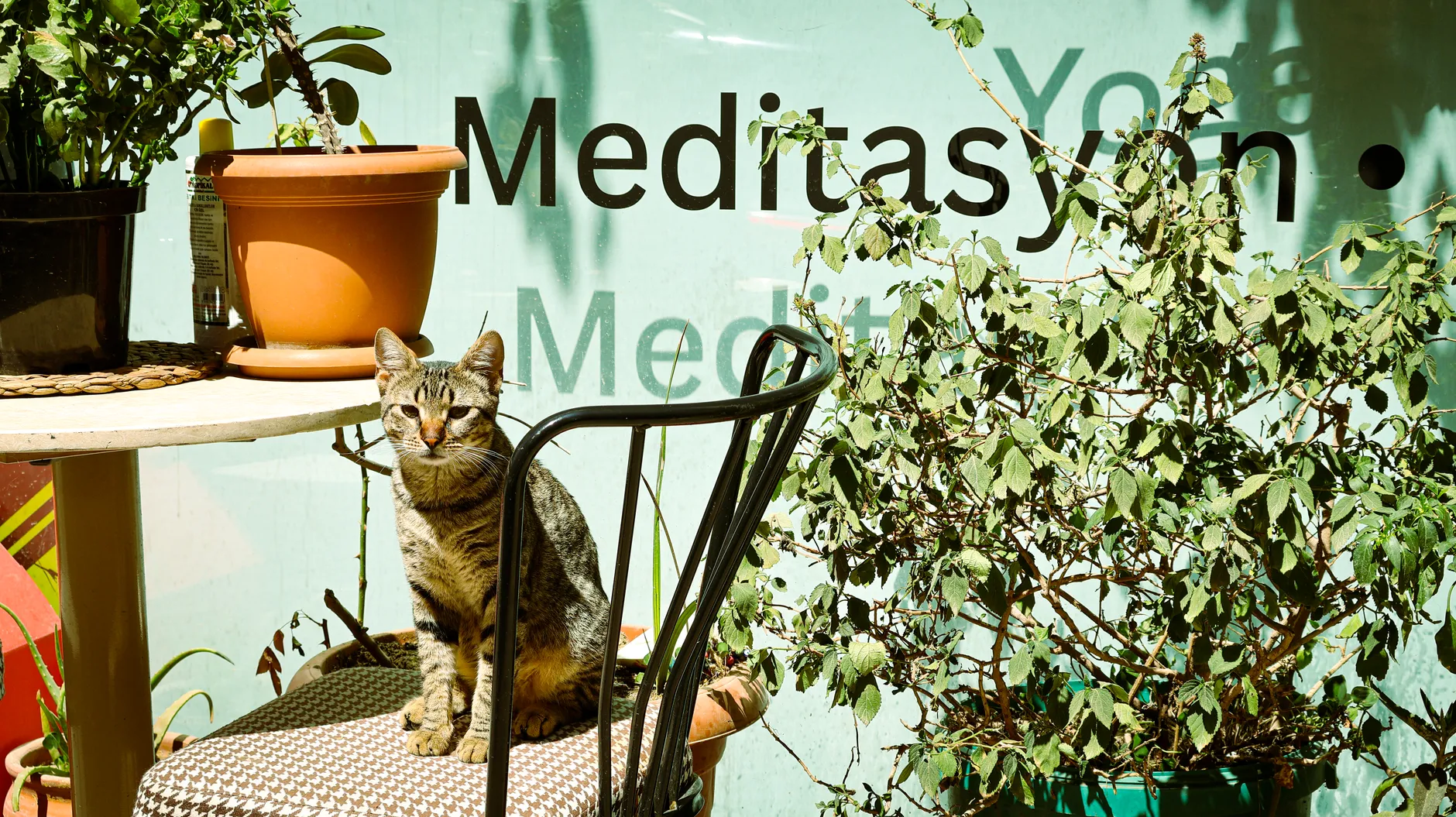
Does my cat need basil?
No. Cornell Feline Health Center calls cats “obligate carnivores.” That means they depend on nutrients that come from animal foods. They need a lot of protein, a moderate amount of fat, and few carbohydrates. The Merck Veterinary Manual says cats eat mainly meat.
The Merck Veterinary Manual points owners to a commercial cat food labeled “complete and balanced” for your cat’s life stage. That food is made to cover what your cat needs. Basil adds no nutrients your cat is missing, so think of it as a sniff-and-nibble extra, not a part of the meal.
How can I serve basil to a cat?
If your cat shows interest, keep it simple:
- Offer one or two plain, fresh leaves, washed well.
- Skip any oil, salt, butter, cheese, or sauce.
- Watch your cat afterward. Stop if it throws up or gets loose stools.
The sources I read do not say how much basil is too much. That is why a leaf or two is a sensible limit. For treats in general, Cornell suggests keeping them to 10 to 15 percent of your cat’s daily calories or less.
Is basil pesto safe for cats?
Better not. Pesto is mostly not basil. It usually has garlic, cheese, nuts, olive oil, and salt.
- Garlic: The ASPCA says onions, garlic, and chives can irritate a cat’s gut and damage red blood cells. That can lead to anemia, which means too few red blood cells.
- Salt: The ASPCA says too much salt can cause vomiting, diarrhea, tremors, and seizures. It can also make a pet very thirsty.
Recipes vary, so the amounts in your pesto are hard to know. Keep it away from your cat. If your cat licked a little, watch it for a day. If it ate a lot, or you see vomiting or weakness, call your vet or a poison hotline.
Can cats have basil plants in the house?
Yes. Basil is on the ASPCA’s non-toxic list for cats, so it is a fine plant to keep in the kitchen. A cat may still chew the leaves or knock over the pot. Not every herb or houseplant is this gentle. Some are poisonous to cats, so check each plant on the ASPCA’s list. Our guide to foods that are toxic to cats is a good place to start for kitchen items.
What can I give my cat instead?
Cats are carnivores, so meat-based treats suit them better than herbs. See our guide on whether cats can eat chicken. If your cat likes plants, our guide to catnip covers another one.
Common questions
Is basil poisonous to cats?
No. The ASPCA lists sweet basil (Ocimum basilicum) and Thai basil as non-toxic to cats. The ASPCA also says that eating any plant can cause vomiting or an upset stomach.
Can cats eat basil pesto?
Better not. The ASPCA says garlic can damage a cat's red blood cells, and pesto usually contains garlic. It also has a lot of salt and oil, which are not good for cats.
Is it safe to grow basil in a house with a cat?
Yes, as far as poison goes. The ASPCA lists basil as non-toxic to cats. Other plants near it may not be, so check each plant on the ASPCA list.
Does my cat need herbs or greens in its diet?
No. Cats are carnivores, which means they eat mainly meat. The Merck Veterinary Manual says to feed a complete and balanced cat food made for your cat's life stage.