Cats · Guide
Can Cats Eat Cinnamon?
A tiny taste of cinnamon in food is unlikely to harm a cat, but cinnamon oil is dangerous. Here is what to know about powder, sticks, oil, and what to do.
A tiny bit of cinnamon in food is unlikely to hurt your cat. The ASPCA lists cinnamon as non-toxic to cats. But your cat gains nothing from it, a lot of powder can cause problems, and cinnamon oil is dangerous. Keep oil and strong scents away from your cat.
Is cinnamon toxic to cats?
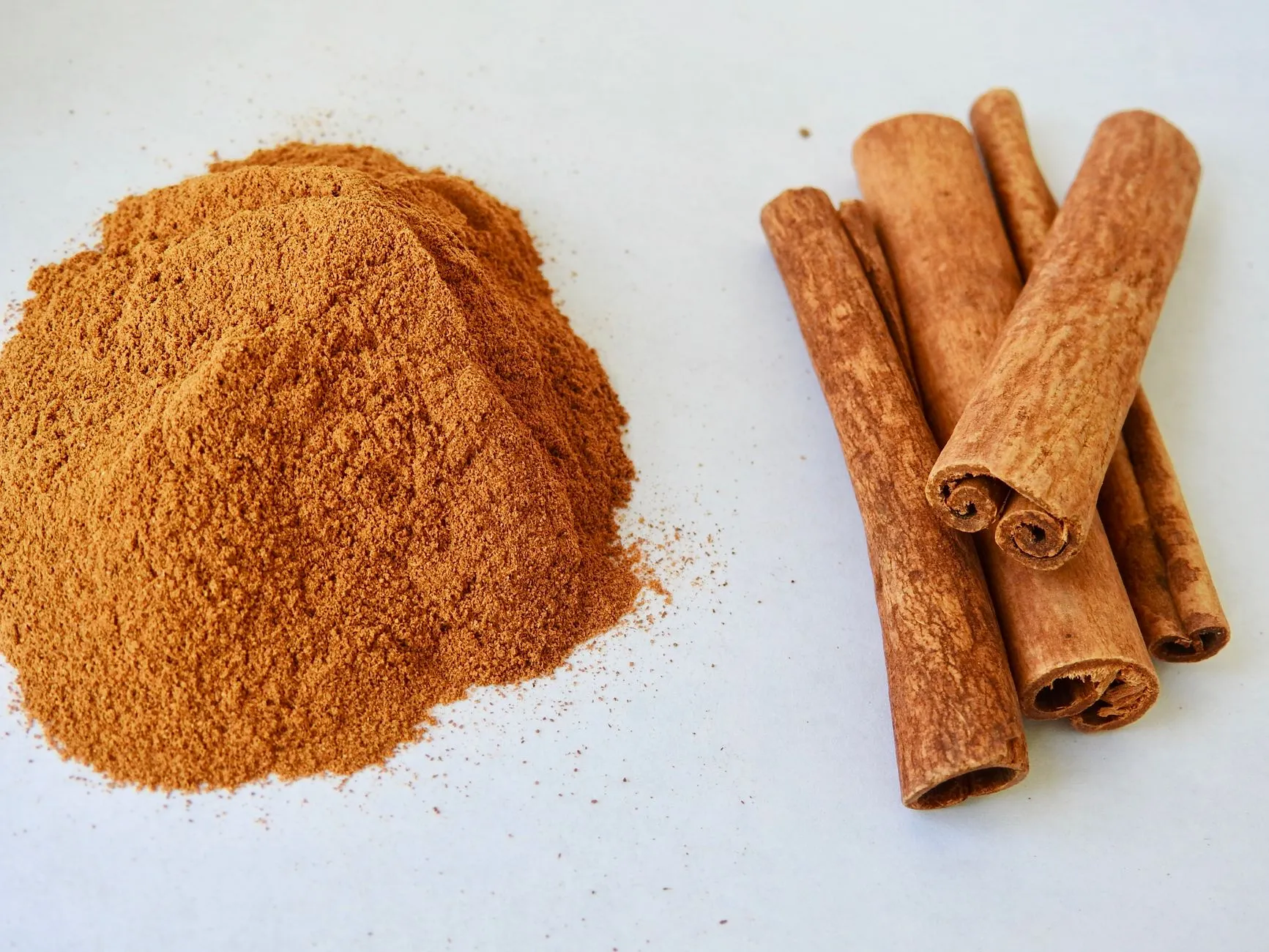
The ASPCA’s plant list marks cinnamon as “Non-Toxic to Cats.” Pet Poison Helpline adds some detail. Small amounts of spice used to flavor food are usually not toxic to pets. Problems usually need a large dose, which it puts at more than 1 teaspoon of powder for most pets. Only a small amount of the essential oil is needed to cause trouble.
So the form matters most:
| Form | What the sources say |
|---|---|
| Ground cinnamon in food | Small amounts are usually not toxic |
| Large amount of powder | Can cause vomiting, diarrhea, and other problems |
| Cinnamon oil | Known to poison cats |
Why is cinnamon powder a problem in large amounts?
Pet Poison Helpline says a large dose of cinnamon can cause vomiting, diarrhea, low blood sugar, and liver disease. It can also change the heart rate. It lists irritation as the most common effect, including inside the mouth.
Powder has another risk. If a pet breathes it in while eating it, it can irritate the lungs. Pet Poison Helpline lists coughing, choking, and trouble breathing as signs. Fine powder can puff up easily, so don’t let your cat lick a pile of it.
Is cinnamon oil dangerous for cats?
Yes. Pet Poison Helpline lists cinnamon oil among the essential oils known to poison cats. The Merck Veterinary Manual lists it as an oil that can harm the liver. Merck also says cats are more sensitive than dogs. They lack an enzyme that helps break down some of the chemicals in these oils. Their grooming adds risk, because oil on fur or skin can be licked off.
Oil can reach your cat in a few ways:
- By licking spilled oil or oil that landed on fur
- Through the skin
- By breathing it in from the air
Merck says active diffusers (the kind that make a mist) release tiny droplets that can settle on fur. Your cat can then absorb the oil or swallow it while grooming. Passive diffusers, like reed sticks and candles, mostly cause breathing irritation unless they tip over.
Signs to watch for
After essential oil contact, Pet Poison Helpline lists these signs in cats:
- Drooling or vomiting
- Tremors or wobbly walking
- Trouble breathing
- Slow heart rate and low body temperature
- Liver failure in serious cases
Breathing signs include watery eyes or nose, coughing, wheezing, and fast or labored breathing. Pet Poison Helpline warns that a cat crouched low and coughing, with no hairball, may be struggling to breathe and not trying to vomit. Move your cat to fresh air. If signs don’t improve quickly, get emergency care.
What should I do if my cat ate cinnamon?
- A lick of a cinnamon roll, or a small dusting of spice: Watch your cat. It is unlikely to be a problem. Call your vet if your cat acts unwell.
- A lot of powder, or powder breathed in: Call your vet or Pet Poison Helpline to find out if care is needed.
- Oil: Call right away. Merck says to move the animal to fresh air and that bathing can help remove oil, but follow the advice of the hotline or your vet.
Also check what else was in the food. Baked goods can contain chocolate, raisins, or the sweetener xylitol, which are dangerous. Pumpkin spice products can have other spices too. See our guide to foods that are toxic to cats.
Other forms of cinnamon
Can cats have cinnamon sticks?
A stick is not listed as toxic, but we did not find a vet source on chewing sticks. Pet Poison Helpline names sticks left in cider cups as one way pets get cinnamon. Since your cat gains nothing from them, keep sticks out of reach.
Can cats eat cinnamon rolls or cinnamon toast?
Better not to. These have sugar and fat, and your cat does not need them. Cornell says cats need nutrients found only in animal foods. A small bite is unlikely to be an emergency, but don’t offer it.
Are there better treats for cats?
Yes. Cornell says treats should stay under about 10 to 15 percent of your cat’s daily calories. Our guide to chicken for cats covers one common choice. Your cat’s complete cat food should make up the rest of the day.
Common questions
Is cinnamon poisonous to cats?
The ASPCA lists cinnamon as non-toxic to cats. Pet Poison Helpline says a small amount of spice in food is usually not a problem, but cinnamon oil is known to poison cats.
Is cinnamon oil or a cinnamon diffuser bad for cats?
Yes, it can be. Pet Poison Helpline lists cinnamon oil among oils that have poisoned cats. The Merck Veterinary Manual says cats are more sensitive to essential oils than dogs.
How many treats can my cat have in a day?
Cornell Feline Health Center says treats should stay under about 10 to 15 percent of your cat's daily calories. Cat food should make up the rest.
Do cats need spices in their food?
No. Cornell says cats are obligate carnivores, which means they need nutrients that come from animal foods. A complete cat food covers what your cat needs.