Cats · Guide
Can Cats Eat Strawberry Leaves?
Strawberry leaves are not poisonous to cats, but any plant can upset a cat’s stomach. Learn what to expect, when to call the vet, and how to protect your plants.
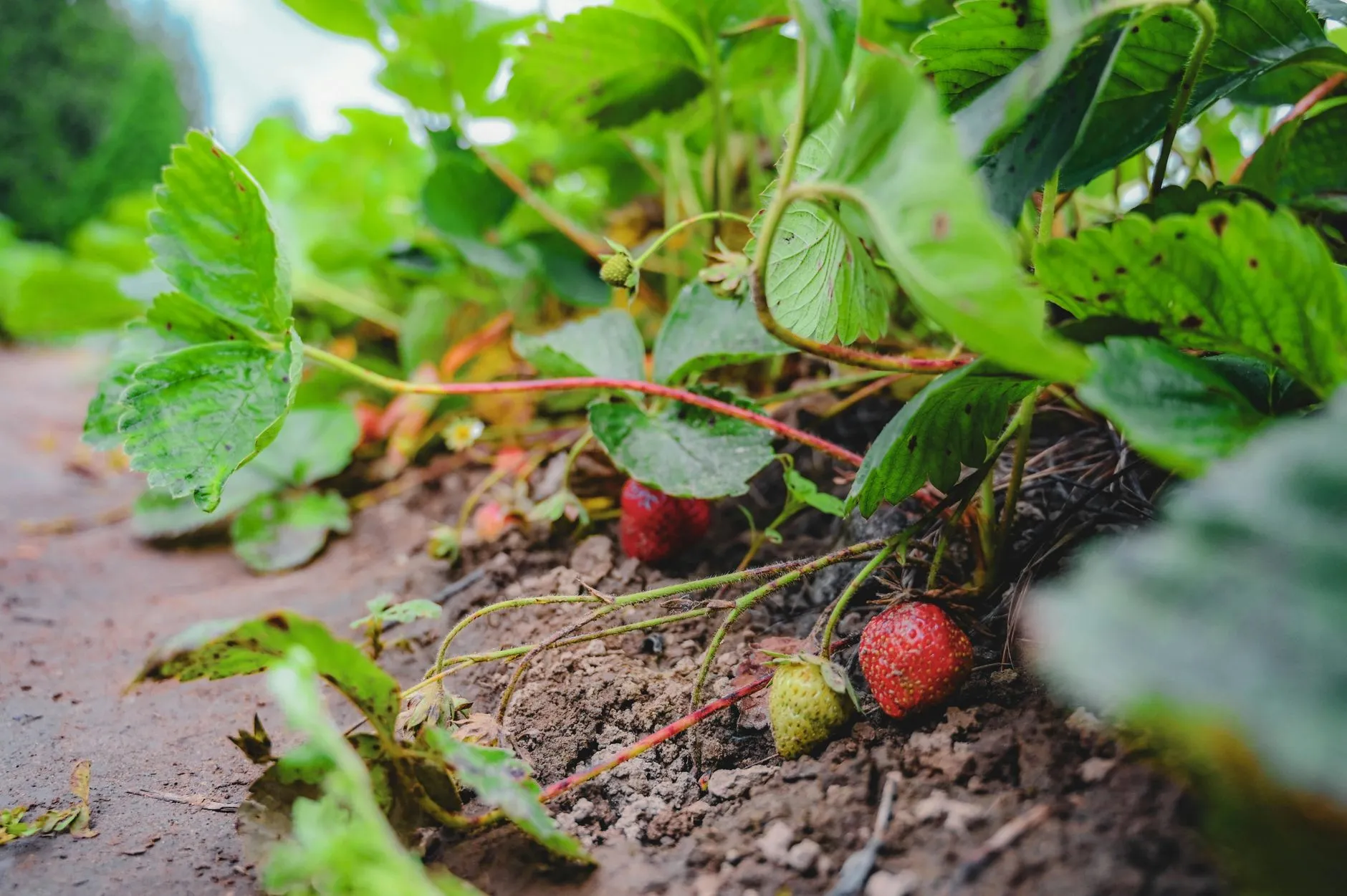
Strawberry leaves are not poisonous to cats. The ASPCA lists the strawberry plant as non-toxic to cats. But the ASPCA also says that eating any plant may upset a pet’s stomach. So a nibble is not an emergency, but it is not a snack to encourage either.
Are strawberry plants toxic to cats?
No. The ASPCA’s plant list names strawberry (Fragaria) as non-toxic to cats, dogs, and horses. The entry lists no signs of poisoning.
The ASPCA’s page does not break the plant into parts, such as leaves, stems, and flowers. It lists “strawberry” as a whole. So there is no sign that the leaves are a poison risk. The page also does not say the leaves are good for cats.
Why can a safe plant still make a cat sick?
“Non-toxic” does not mean “never causes trouble.” The ASPCA says that eating any plant material may cause vomiting and stomach upset in dogs and cats. It also says plants that are non-toxic or only mildly upsetting are not expected to be life-threatening.
Cats are built to eat meat, not leaves. A few leaves may pass with no problem. A bigger meal of leaves could make your cat throw up or have loose stool. I did not find a source that gives an amount that is safe, so there is no number to share.
When should I call the vet?
One bout of vomiting with no other signs is often not serious. The Merck Veterinary Manual lists these signs as reasons to get your cat seen:
- Vomiting more than once or twice a day
- Vomiting that goes on for a long time
- Vomiting along with blood, belly pain, weakness, fever, or weight loss
- Signs of dehydration
Vomiting has many possible causes, and Merck lists swallowed objects among them. If your cat chews things often and vomits often, tell your vet. The cause may not be the plant.
What if the plant was sprayed?
This is the bigger worry. The Merck Veterinary Manual says pets can be poisoned by eating plants that were treated with pest-control products. Signs vary by product. In cats they can include drooling, tremors, vomiting, diarrhea, trouble breathing, and seizures.
If your strawberry plant was sprayed, treat it like a risk until you know more:
- Move your cat away from the plant.
- Find the product label and keep it close.
- Call your vet or a poison hotline and tell them what was used.
- Do not make your cat vomit unless a vet or hotline says to.
Always follow the label on any garden product. Store it in its original container so the label stays with it.
Can cats eat the strawberries themselves?
A tiny bite of the fruit is fine, but cats do not need it. We cover that in our guide on whether cats can eat strawberries.
How can I keep my cat off my strawberry plants?
I did not find a vet source that tests these ideas, so treat them as common-sense steps, not proven fixes:
- Put the plant where your cat cannot reach, such as a hanging pot or a shelf behind a closed door.
- Skip pest sprays on any plant your cat can reach.
- Keep other plants in the room cat-safe too. Check each one on the ASPCA’s plant list, because some common houseplants are toxic to cats.
For more on what to keep away from your cat, see our list of foods that are toxic to cats.
Common questions
Are strawberry plants poisonous to cats?
No. The ASPCA lists strawberry (Fragaria) as non-toxic to cats, dogs, and horses. Even so, the ASPCA says eating any plant material may cause vomiting and stomach upset.
Can cats eat strawberry stems?
The ASPCA lists the strawberry plant as non-toxic, and its page does not split the plant into parts. A stem is not a poison risk, but it is plant material that could upset your cat’s stomach.
My cat threw up after chewing a plant. Should I worry?
One bout of vomiting with no other signs is often not serious. The Merck Veterinary Manual says to call your vet if a cat vomits more than once or twice a day, keeps vomiting for a long time, or also seems weak, in pain, or dehydrated.
Can I treat my strawberry plant with pest spray if I have a cat?
Be careful. The Merck Veterinary Manual says pets can be poisoned by eating treated plants. Follow the product label exactly, and call your vet if you think your cat ate something sprayed.