Dogs · Guide
Can Dogs Eat Grapes?
Even a few grapes or raisins can cause kidney failure in some dogs. Here’s why, what signs to watch for, and what to do if yours already ate some.
Grapes and raisins can cause sudden kidney failure in dogs. Some dogs eat them with no problem, while others get seriously ill. There’s no way to tell in advance which kind of dog yours is, and no amount known to be safe. That’s why vets treat any grape or raisin as a possible emergency.
Why grapes are dangerous for dogs
For years, nobody knew what made grapes toxic. Veterinary toxicologists now think the likely culprit is tartaric acid, which grapes contain in high amounts. Dogs are poor at clearing this kind of acid from their bodies, so it can build up and damage the kidneys.
That explains a few things that used to be puzzling:
- Tamarind (also high in tartaric acid) causes the same kidney problems in dogs.
- The amount of tartaric acid varies between grapes, which may be why reactions are so unpredictable.
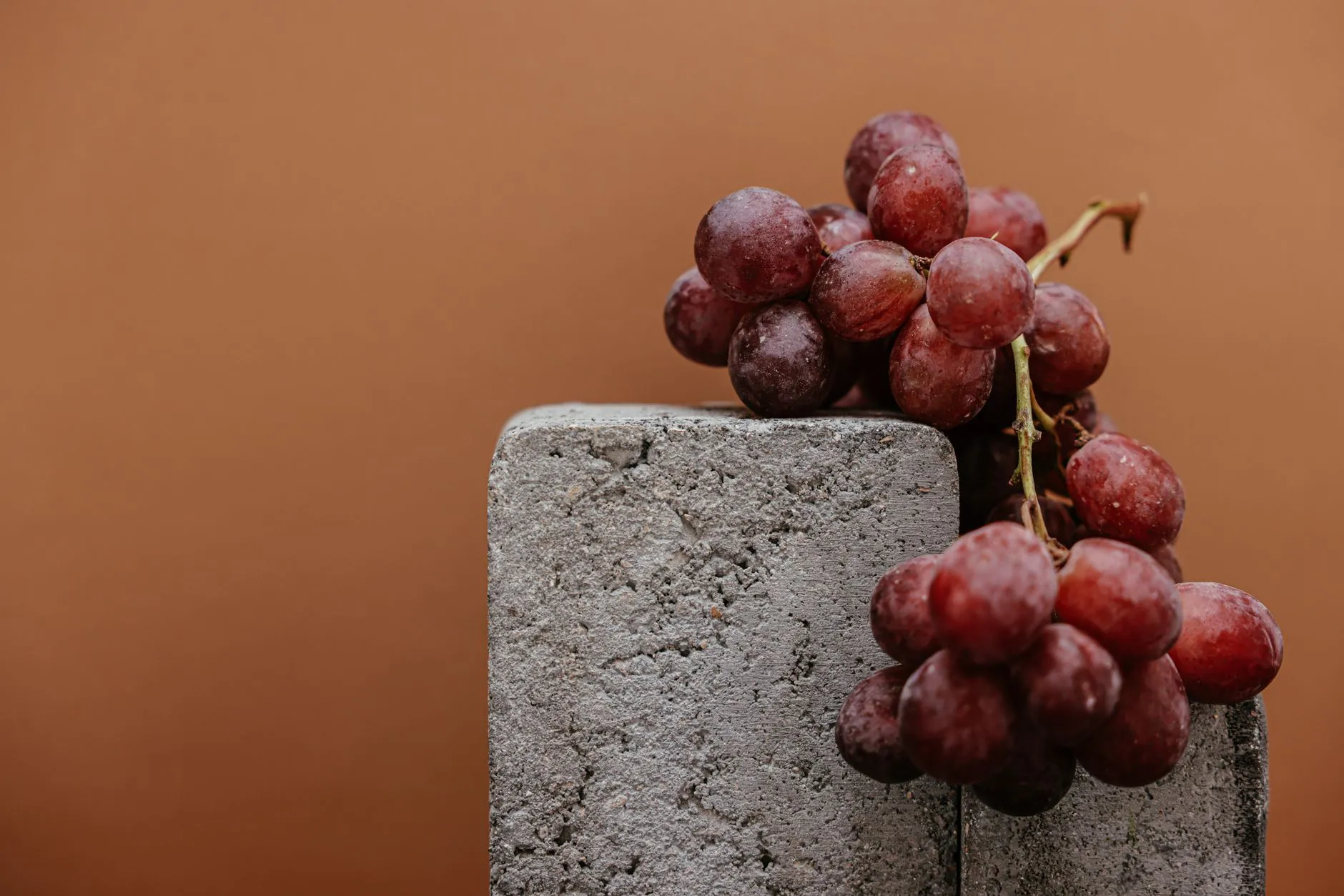
Which forms are dangerous
All of these come from grapes and carry the same risk:
- Fresh grapes of any color, seeded or seedless, organic or not
- Raisins and sultanas
- Zante currants, the small dried “currants” used in baking
Dried fruit is more concentrated than fresh, so a small handful of raisins can be riskier than the same number of grapes. Watch for hidden sources like trail mix, cereal, granola bars, raisin bread, hot cross buns, fruitcake, and cookies.
Fresh red, black, and white currants from Ribes bushes are different plants and haven’t been linked to kidney failure in dogs, but they still aren’t a recommended treat.
Symptoms to watch for
According to the Merck Veterinary Manual, signs usually start 6 to 12 hours after eating:
- Vomiting or diarrhea (you may see bits of grape or raisin)
- Lethargy and weakness
- Not wanting to eat
- Drinking more than usual, or dehydration
Kidney failure can develop within 24 to 48 hours. A dog that stops producing urine is in serious danger. Don’t wait for symptoms before calling a vet, because by the time kidney signs appear, treatment is much harder.
What the vet will do
If your dog ate grapes recently, the vet will usually:
- Make your dog vomit with a medication, to get as much fruit out as possible.
- Start IV fluids, often for at least 48 hours, to protect the kidneys and keep urine flowing.
- Run blood tests to check kidney values, often repeated over a few days.
Dogs treated early generally have a much better outlook than dogs who already have kidney damage.
How to keep grapes away from your dog
- Keep fruit bowls and lunch boxes out of reach, and tell kids that grapes are never a dog treat.
- Read ingredient labels on baked goods and snack bars.
- Be careful during holidays, when fruitcake, mince pies, and hot cross buns are more common.
Safer fruits to share instead
If your dog likes fruit, small amounts of these are generally fine when plain:
- Blueberries
- Apple slices (no core or seeds)
- Banana
- Watermelon (no seeds or rind)
Treats, including fruit, should be no more than about 10% of your dog’s daily calories. For the full list of foods to avoid, see our guide to foods that are toxic to dogs.