Dogs · Guide
Can Dogs Eat Peanut Butter?
Yes, if it has no xylitol. Learn how to check the label for this dangerous sweetener, which peanut butter is best, and how much to give.
Yes, most dogs can have a little peanut butter, as long as it doesn’t contain xylitol. Xylitol is a sugar substitute that some brands now use, and it can drop a dog’s blood sugar to dangerous levels within minutes. So the rule is simple: read the ingredient list every time, and stick to plain, unsalted peanut butter in small amounts.
Why xylitol is so dangerous for dogs
Xylitol is a sugar alcohol used to sweeten “sugar-free” foods. It’s harmless for people, but dogs react to it very differently.
When a dog eats xylitol, it’s absorbed quickly and triggers a big, sudden release of insulin from the pancreas. That makes blood sugar crash, a condition called hypoglycemia. The FDA says this can happen within 10 to 60 minutes, and without treatment it can be life-threatening.
Larger amounts can also injure the liver. The Merck Veterinary Manual notes that dogs who eat a lot of xylitol may develop severe liver damage or liver failure, sometimes even if their blood sugar never drops.
Xylitol amounts vary a lot from product to product, so there’s no way to guess at home whether your dog ate “enough” to cause trouble. Treat any xylitol as a reason to call.
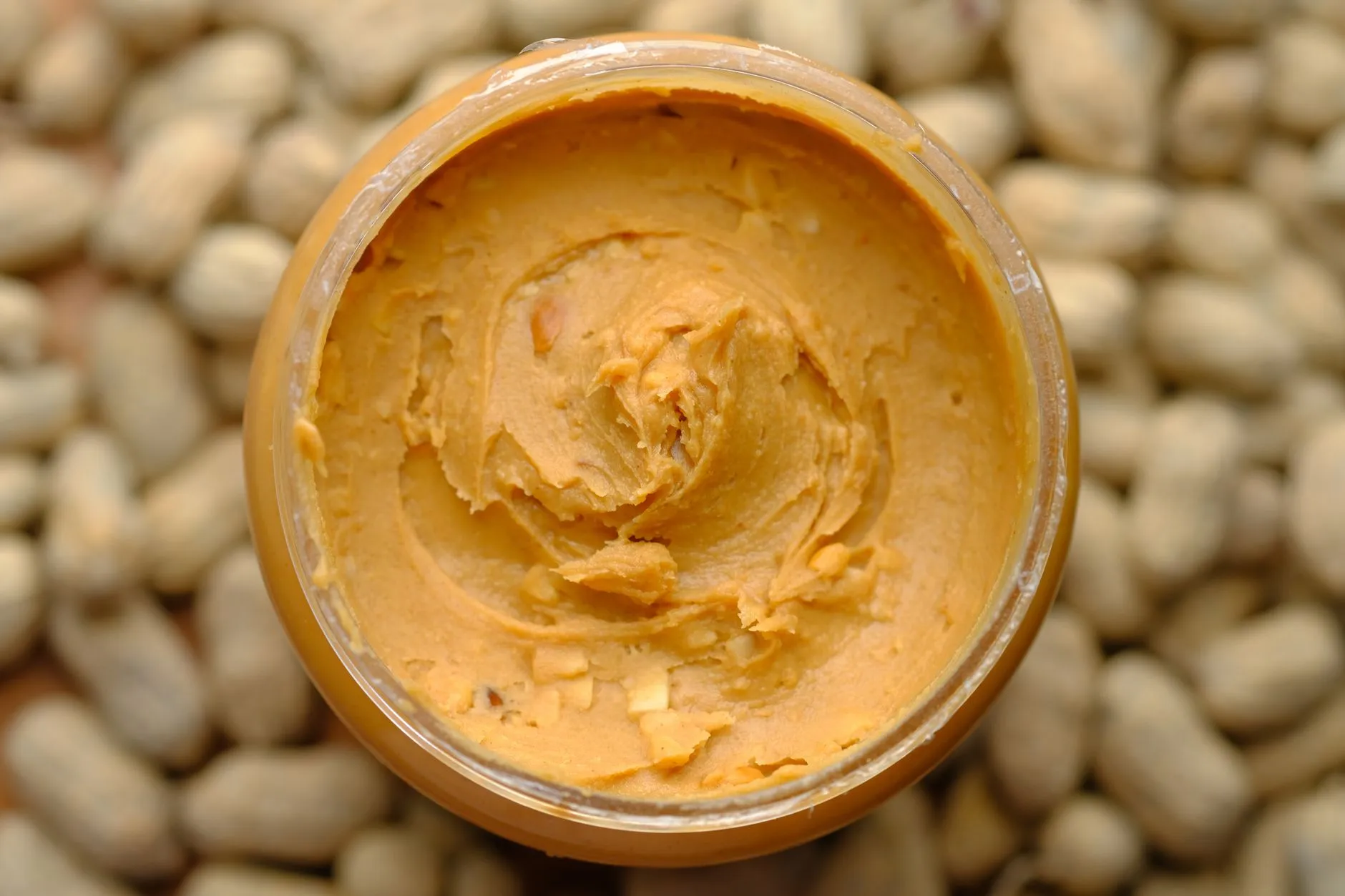
How to check the label
Xylitol isn’t in most peanut butter, but the FDA lists “some peanut and nut butters” among the products that can contain it. A quick label check is all it takes:
- Read the full ingredient list, not just the front of the jar.
- Look for xylitol by any name. It may also be listed as birch sugar or wood sugar.
- Be extra careful with “sugar-free,” “low sugar,” or “reduced sugar” products. These are the ones most likely to use sugar substitutes.
- Check other nut butters too, not just peanut butter.
- Check every time you buy, since recipes can change.
If you use peanut butter to hide pills, the same rule applies. Check the label before you use it.
Signs of xylitol poisoning
Signs usually come from low blood sugar. Watch for:
- Vomiting
- Weakness or low energy
- Staggering or poor coordination
- Collapse
- Seizures
Signs can start within 30 minutes. With some products, they may be delayed for 12 hours or more. The ASPCA notes that liver damage can develop within 12 to 24 hours and may lead to abnormal bleeding. That’s why vets often keep dogs in the hospital to monitor blood sugar and liver values, even if the dog looks normal at first.
What to do if your dog ate xylitol peanut butter
- Call your vet or a poison hotline now. Don’t wait for symptoms.
- Tell them the brand and how much your dog ate. Keep the jar so you can read the ingredients.
- Don’t give anything by mouth or try to make your dog vomit unless a vet tells you to. A dog whose blood sugar is already dropping can get worse.
- Head in if they tell you to. A vet may make your dog vomit if it’s safe, check blood sugar every hour or two, give sugar (dextrose) through an IV, and run liver tests over the next few days.
Dogs treated quickly for low blood sugar usually do well. The outlook is more guarded if serious liver damage develops.
Choosing a dog-safe peanut butter
Plain peanut butter can be a good source of protein, healthy fats, vitamins B and E, and niacin. According to the AKC, the best choices are:
- Unsalted peanut butter. Too much salt is hard for dogs to process.
- Peanut butter made for dogs.
- Homemade peanut butter, made from plain peanuts with nothing added.
The fewer ingredients, the better. Skip anything with added sweeteners, and avoid flavored spreads that mix peanut butter with other ingredients like chocolate.
How much is too much?
Even xylitol-free peanut butter is rich in fat, and fat adds up fast. Too much can lead to weight gain, and very fatty foods can trigger stomach upset or pancreatitis, a painful inflammation of the pancreas.
There’s no set amount that’s right for every dog. The AKC recommends two approaches:
- Ask your vet, especially if your dog has diabetes, food sensitivities, or a history of pancreatitis.
- Follow the 10% rule. Treats, peanut butter included, should make up no more than about 10% of your dog’s daily calories.
A thin smear inside a chew toy or a small lick off a spoon is plenty for most dogs.
Other treats to try
You don’t have to rely on peanut butter. These are generally fine in small, plain portions:
- Banana slices, peeled
- Frozen chunks of apple, strawberries, or pineapple
- Plain, unsweetened yogurt
- Plain, air-popped popcorn with no salt or butter
Whatever you share, keep total treats to about 10% of your dog’s daily calories. Xylitol isn’t the only kitchen danger, so it’s worth reading our guide to foods that are toxic to dogs.