Cats · Guide
Can Cats Eat Bananas?
Yes, a tiny bite of banana is not poisonous to cats, but cats need no fruit. Here is how to share it, and why banana bread is a different story.
Yes, cats can eat a tiny bite of plain banana. The ASPCA lists banana as non-toxic to cats. But cats need meat, not fruit, so banana is never needed. Offer a small piece once in a while, and skip banana bread.
Is banana safe for cats?
Banana is not poisonous to cats. The ASPCA’s plant list says banana is non-toxic to cats, and its guide to foods you can share with pets includes bananas among the fruits that are okay to give.
That does not make it a good meal. Cornell’s Feline Health Center explains that cats are obligate carnivores. This means they rely on nutrients found only in animal products. A complete and balanced cat food gives your cat what it needs. Banana only adds extra calories.
Why do some cats want banana?
Your cat may not be after the sweetness at all. Researchers found that the gene for the sweet taste receptor is broken in cats. The study says cats, unlike most mammals, do not prefer and may be unable to detect the sweetness of sugar. If your cat licks a banana, it may like the smell or the soft, mushy feel.
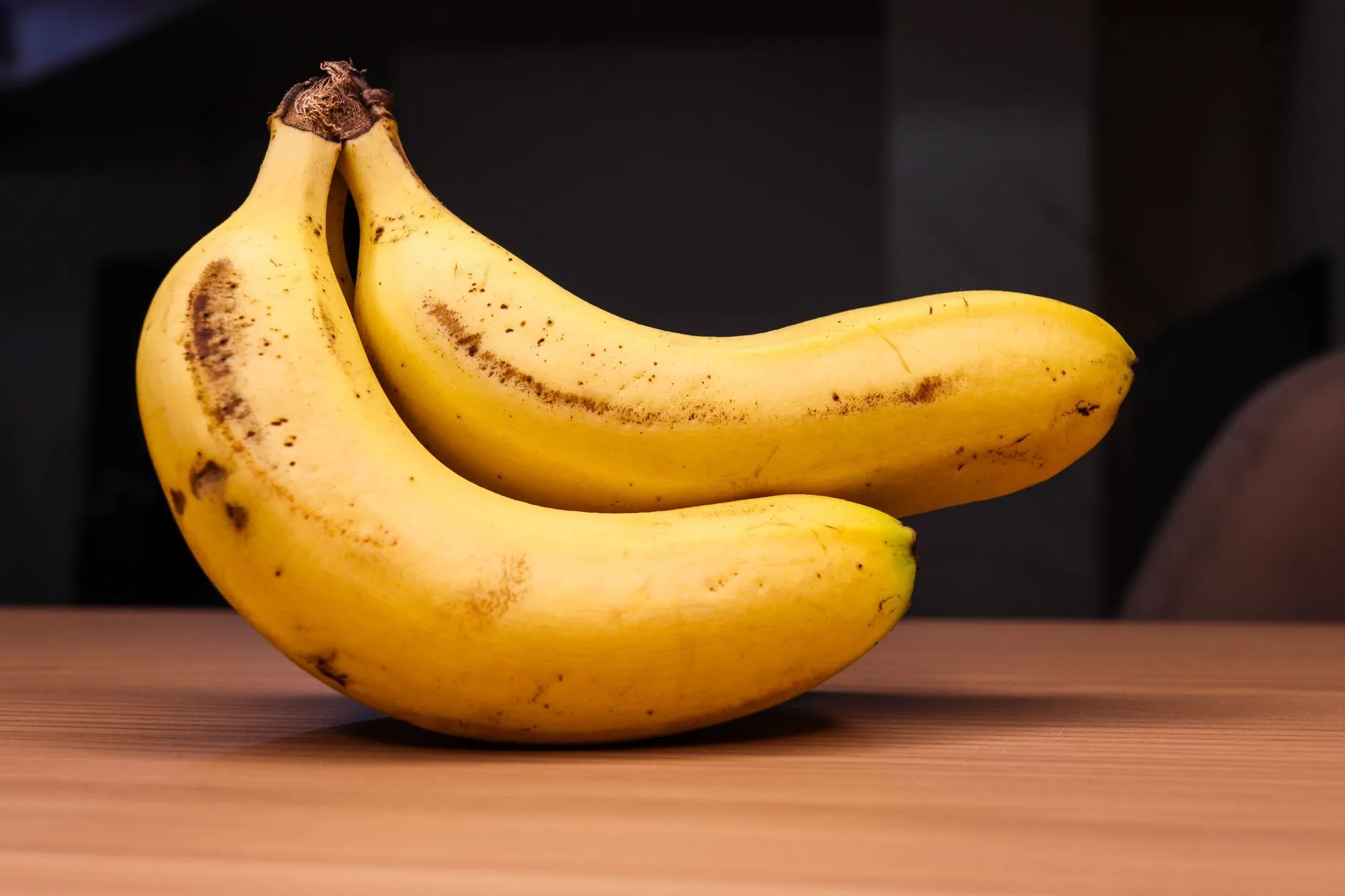
How to give your cat banana
If you want to share, keep it simple:
- Use a small piece of plain, ripe banana. Nothing mixed in.
- Try it once and watch. Stop if your cat vomits or has loose stools.
- Keep it rare. The sources we read do not give an exact amount of banana for cats, so a tiny bite is the careful choice.
- Count it as a treat. Cornell says treats should be no more than 10 to 15 percent of a cat’s daily calories.
The Merck Veterinary Manual also tells owners to avoid giving table scraps. Cats with health problems, such as diabetes, should skip people food unless a vet says it is okay.
Other kinds of banana foods
Is banana bread okay for cats?
No. Banana bread is not a good snack for a cat. A cat does not need the sugar and fat in it. The ASPCA warns that too much sugar and fat can lead to pancreatitis. That is a painful swelling of the pancreas, an organ that helps with digestion.
Recipes can also hide worse ingredients. The ASPCA warns about several of them for pets:
- Chocolate chips. Chocolate can cause vomiting, diarrhea, shaking, seizures and even death.
- Raisins. These can cause kidney damage.
- Xylitol. This is a sweetener in some baked goods and sugar-free foods. It can cause vomiting, weakness and seizures.
If your cat licked a plain slice with none of those items, an upset stomach is the most likely problem. Call your vet if your cat vomits again and again, will not eat, or seems very tired.
What about banana chips, baby food, or smoothies?
We did not find a vet source that covers these, so we can’t give advice on them. Check the label for added sugar or sweeteners such as xylitol, and ask your vet if you are unsure.
Better treats for cats
- Treats made for cats
- A few pieces of your cat’s own food, given as a reward
For the foods that are truly dangerous, see our guide to foods that are toxic to cats. Wondering about other people food? Read can cats eat cheese?
Common questions
Can kittens eat bananas?
The sources we read do not give advice for kittens and bananas. Kittens do best on food made for kittens, so ask your vet before offering any people food.
Are banana peels safe for cats?
The sources we read only cover the fruit, not the peel. Keep the peel away from your cat, and call your vet if your cat eats some and acts sick.
Do cats like the taste of bananas?
Cats probably do not taste the sweetness. A study found that cats lack a working sweet taste receptor. A cat that likes banana may enjoy the soft texture instead.
Is banana a good treat for cats?
Not really. Cats need nutrients from animal products, and banana does not supply them. A treat made for cats is a better pick.
Sources
- ASPCA Animal Poison Control: Toxic and Non-toxic Plants, Banana
- ASPCA: Sharing Is Caring, Foods You Can Safely Share with Your Pet
- ASPCA Animal Poison Control: People Foods to Avoid Feeding Your Pets
- Cornell Feline Health Center: Feeding Your Cat
- Merck Veterinary Manual (Cat Owners): Proper Nutrition for Cats
- PLOS Genetics: Pseudogenization of a Sweet-Receptor Gene Accounts for Cats' Indifference toward Sugar