Cats · Guide
Can Cats Eat Honeydew?
Yes, honeydew is not toxic to cats, so a small taste is okay once in a while. Here is how to serve it, how much, and what to know about cantaloupe and other melons.
Yes, cats can eat a small piece of honeydew. The ASPCA lists honeydew melon as non-toxic to cats. But cats are meat eaters, so melon is only a rare extra. A few small bites of soft flesh, once in a while, is plenty.
Is honeydew safe for cats?
Honeydew is not poisonous to cats. The ASPCA’s plant list marks honeydew melon as “Non-Toxic to Cats” and shows no signs of poisoning for it.
That tells us the fruit itself will not poison your cat. It does not say that cats need it or that a lot is fine. We found no vet source that gives an exact safe amount of melon for cats, so we won’t make one up. A small piece is the careful choice.
Why honeydew is only a small extra
Merck Veterinary Manual says cats are carnivores, which means they eat mainly meat. Its nutrition guide for vets adds that cats need some nutrients from animal foods. These include taurine, vitamin A, and a fat called arachidonic acid. Plants do not supply them in a form cats can use.
So a cat does not gain what it needs from melon. Good cat food already gives your cat everything. Merck also advises avoiding table scraps in general.
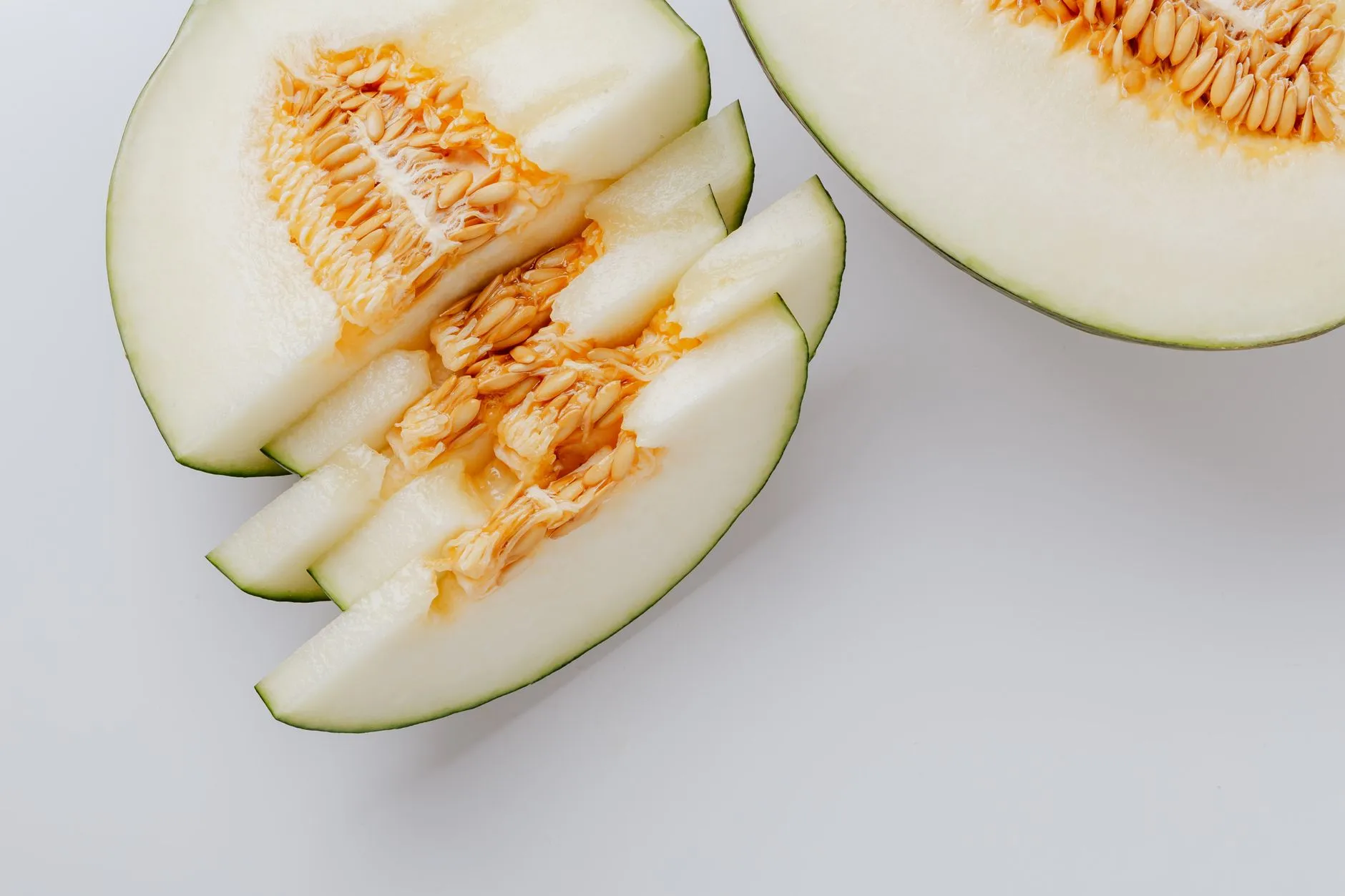
How to serve honeydew to a cat
- Pick a ripe piece and cut away the rind and seeds. Rind is tough, and neither part is food for a cat.
- Cut the soft flesh into a piece about the size of your cat’s usual treat.
- Offer one piece and watch. Many cats just sniff it and walk away. That is fine.
- Do not force it. If your cat likes it, keep it to once in a while.
Serve plain melon only. Skip fruit salads, fruit cups in syrup, and anything with added sugar.
How much honeydew can a cat have?
Keep it tiny. Cornell Feline Health Center says treats should stay under about 10 to 15 percent of a cat’s daily calories. Honeydew counts as a treat. In real life, one or two small pieces is far under that limit.
If your cat is overweight or has a health condition, ask your vet before you add new foods.
What if my cat ate too much honeydew?
Our sources do not list melon as poisonous, so a big bite is unlikely to be an emergency. Still, an unusual food can upset a stomach. If your cat throws up more than once, has loose stool, or seems tired or off its food, call your vet. Pet Poison Helpline and ASPCA Animal Poison Control can also advise on any worry about a food.
Other kinds of melon
Honeydew has some close cousins. Here is how each one compares.
Can cats eat cantaloupe?
Yes, in the same small way. The ASPCA lists true cantaloupe (Cucumis melo) as non-toxic to cats. Follow the same rules: soft flesh only, no rind, and just a bite or two.
Can cats eat muskmelon?
Yes. The ASPCA lists muskmelon as non-toxic to cats too. Serve it the same way as honeydew: soft flesh only, no rind, a bite or two.
Can cats eat melon in general?
The ASPCA lists these melons as non-toxic, so plain flesh is a fine once-in-a-while treat. We did not open a vet source on other melons, such as watermelon, so check with your vet before you offer those.
What can I give my cat instead?
Your cat’s own complete cat food is the best choice. For other foods to check before you share, see our guide to foods that are toxic to cats. You can also read what we say about cheese for cats and eggs for cats.
Keep all treats, melon included, to a small part of the day’s food. Fresh water and a balanced cat food come first.
Common questions
Is honeydew poisonous to cats?
No. The ASPCA lists honeydew melon as non-toxic to cats. Non-toxic does not mean your cat needs it, so treat it as an extra and not a meal.
Does my cat need fruit in the diet?
No. Merck Veterinary Manual says cats are carnivores and need nutrients, like taurine and vitamin A, that come from animal foods. A balanced cat food covers what your cat needs.
How many treats can my cat have in a day?
Cornell Feline Health Center says treats should stay under about 10 to 15 percent of your cat's daily calories. Complete cat food should make up the rest.
Should I give my cat table scraps?
Merck Veterinary Manual advises avoiding table scraps. Feed a complete, balanced cat food as the main diet and keep people food to a tiny extra.
Sources
- ASPCA: Toxic and Non-toxic Plants, Honeydew Melon
- ASPCA: Toxic and Non-toxic Plants, True Cantaloupe
- ASPCA: Toxic and Non-toxic Plants, Muskmelon
- Merck Veterinary Manual: Proper Nutrition for Cats
- Merck Veterinary Manual: Nutritional Requirements of Small Animals
- Cornell Feline Health Center: Feeding Your Cat