Cats · Guide
Can Cats Eat Peas?
Plain peas are not known to be poisonous to cats, but they are not food a cat needs. Here is how to serve a few, what to avoid, and why cats need meat.
Yes, a few plain peas are okay for most cats once in a while. Veterinary sources we checked don’t list peas as a poison for cats. But cats are meat eaters and get nothing they truly need from peas. Keep peas plain, small, and rare.
Why peas are not a food cats need
Cornell’s Feline Health Center says cats are obligate carnivores. That means they rely on nutrients found only in animal products. In the wild, cats eat prey that is high in protein, medium in fat, and very low in carbohydrates.
The Merck Veterinary Manual adds some details. Cats must get an amino acid called taurine from their food, and plant proteins don’t have it. Cats also can’t turn the plant color beta-carotene into vitamin A the way many animals can. They need vitamin A that is already made, from animal foods.
So a pea can be a harmless nibble, but it can’t replace any part of your cat’s meals.
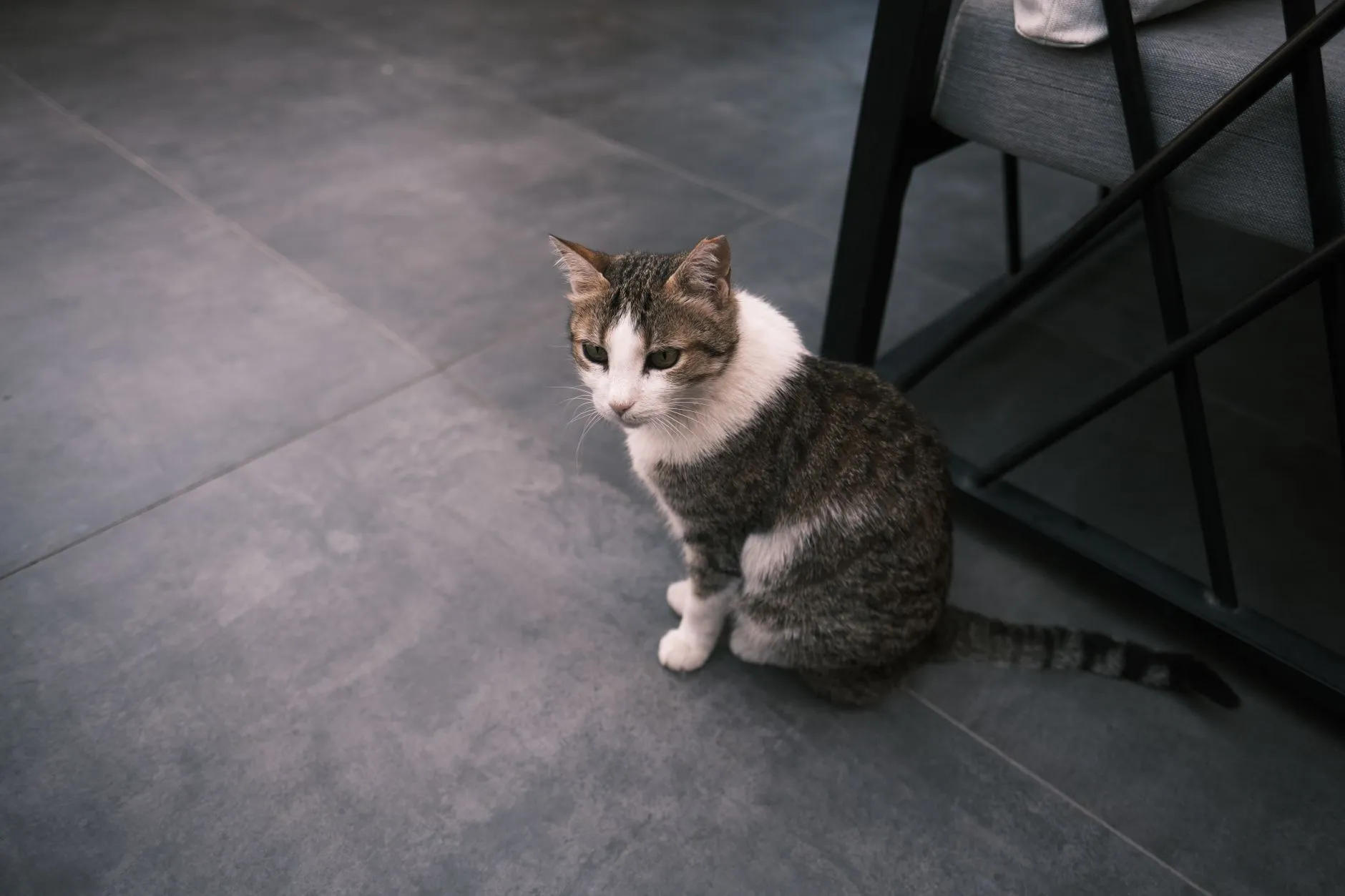
Are peas safe for cats?
We did not find a veterinary source that says peas are poisonous to cats. The ASPCA’s list of people foods to avoid doesn’t include them. We also did not find a vet source that gives a “safe amount” of peas. That is why we call this “a little, once in a while” and not “good for your cat.”
If your cat has a health problem or eats a special diet, ask your vet before adding any new food.
How to serve peas to a cat
- Keep them plain. No butter, oil, salt, or spices. Never serve them with onion, garlic, or chives.
- Use plain peas. Fresh, or frozen and thawed, with nothing added. Skip canned peas, which often have added salt.
- Start with just one or two. Watch for vomiting or diarrhea. Stop if you see either.
- Keep it a treat. Cornell says treats should not be more than 10 to 15 percent of your cat’s daily calories.
Other kinds of peas
Are peas in cat food okay?
Yes. Peas are an ingredient in some commercial cat foods. The FDA looked into a possible link between pet foods that contain peas or lentils and a heart disease called dilated cardiomyopathy. Most of the reports were about dogs. From January 2014 to April 2019, the FDA received 9 reports for cats and 515 for dogs. The FDA says these reports can’t prove that the diets cause the disease, and it has not confirmed a link. If you are worried about your cat’s food, ask your vet.
Are sweet pea flowers toxic to cats?
The ASPCA lists the perennial sweet pea (Lathyrus latifolius) as non-toxic to cats. Its warnings on that page are for horses. Eating any plant can still upset a cat’s stomach, so keep your cat from chewing on garden plants. If your cat gets sick after chewing a plant you can’t name, call your vet.
Can cats eat peas with onion or garlic?
No. The ASPCA says onions and garlic are more dangerous to cats than to dogs. They can upset the stomach and damage red blood cells, which can lead to anemia, a low red blood cell count. Call your vet if your cat ate any.
Better treats for a meat-loving cat
Cornell says cats get their nutrition from animal protein. A tiny bite of plain cooked egg is one option. See our guide on whether cats can eat eggs. Before you share anything from your plate, check our list of foods that are toxic to cats.
Common questions
Are peas toxic to cats?
The ASPCA people-food warning list does not include peas. Peas are not known as a poison for cats, but cats do not need them. Plain peas are fine only as a small, rare treat.
Do cats need vegetables in their diet?
No. Cats are obligate carnivores, which means they rely on nutrients found only in animal products, according to Cornell. A complete cat food already gives your cat what they need.
Is it okay to feed my cat peas every day?
Vet sources do not give a daily pea amount, so it is best not to make peas a habit. Treats of any kind should stay under 10 to 15 percent of your cat's daily calories, says Cornell.
Can cats eat peas mixed with onion or garlic?
No. Onion and garlic can damage a cat's red blood cells and cause anemia, says the ASPCA. Cats are more sensitive to them than dogs are.
Sources
- Merck Veterinary Manual: Nutritional Requirements of Small Animals
- Cornell Feline Health Center: Feeding Your Cat
- ASPCA Animal Poison Control: People Foods to Avoid Feeding Your Pets
- ASPCA Animal Poison Control: Sweet Pea
- U.S. FDA: Investigation into Potential Link Between Certain Diets and Canine Dilated Cardiomyopathy