Cats · Guide
Can Cats Eat Spinach?
A nibble of plain spinach is unlikely to hurt most cats, but it is not needed and can be a problem for cats with urinary stones. Here is what to know.
A bite of plain spinach is unlikely to make a healthy cat sick, but cats don’t need it, and it isn’t a good habit. Spinach is high in oxalate, a natural substance linked to the most common kind of urinary stone in cats. If your cat has had urinary problems, skip it and ask your vet.
I could not find a veterinary source that clearly says spinach is safe for cats, or that it is poisonous. The ASPCA plant list has no spinach entry. So this article explains what we do know and leaves the rest to your vet.
Why is spinach a worry for some cats?
Spinach is a well-known high-oxalate food. A published research review lists raw spinach at hundreds to thousands of milligrams of oxalate per 100 grams, and the numbers vary a lot between studies.
Oxalate matters because of what it can turn into. The Merck Veterinary Manual says calcium oxalate stones make up about half of all urinary stones in cats. They can form anywhere in the urinary tract. For most cats, nobody knows the exact cause.
Here is the part that is not known. I did not find a study showing that a bit of spinach causes stones in cats. Stones seem to have many causes, and Merck says diet may play a role but the link is not fully proven. The careful choice is to avoid spinach for any cat at risk, and keep it tiny for the rest.
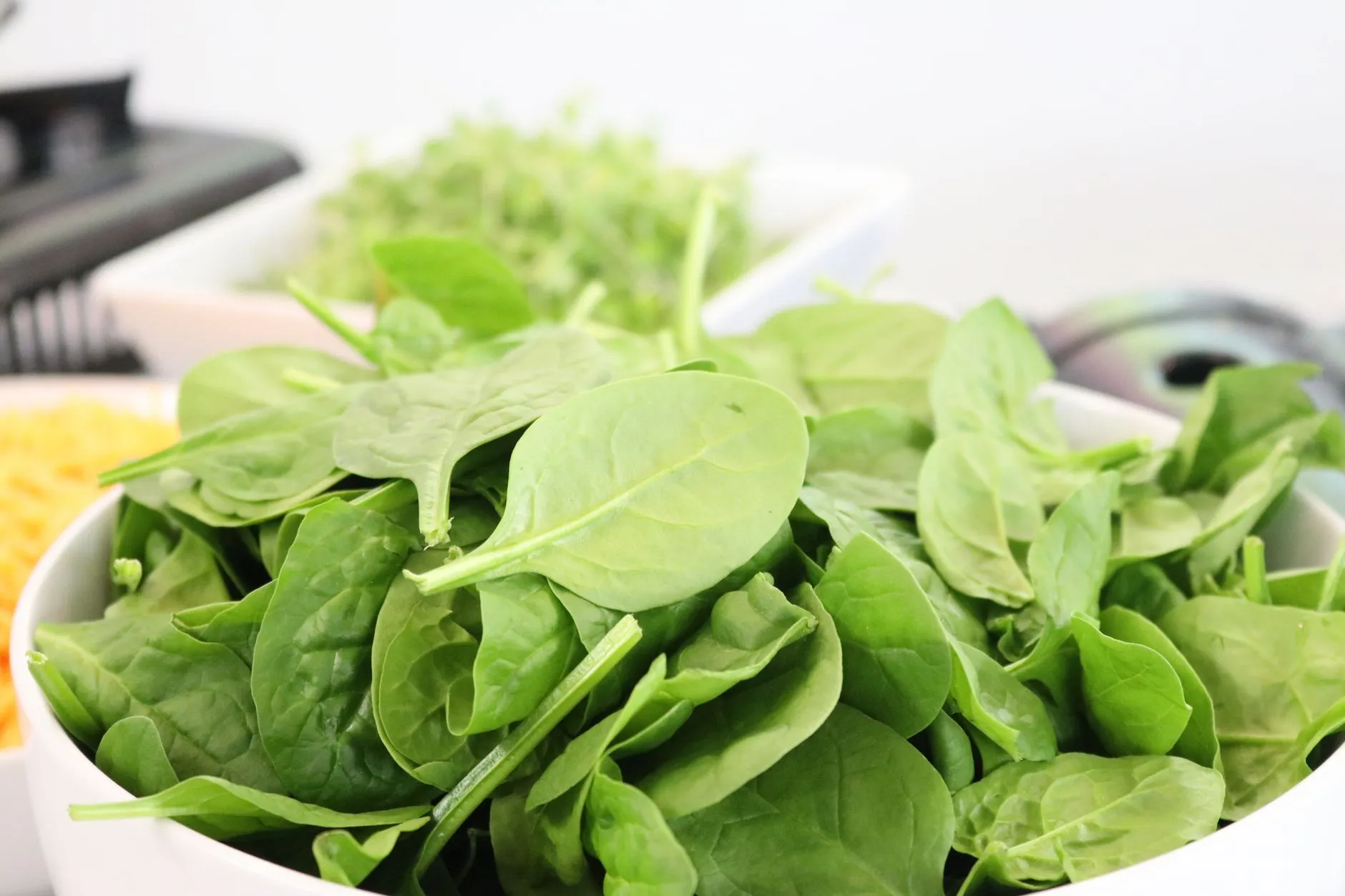
Do cats need spinach for nutrition?
No. Cornell’s Feline Health Center says cats are obligate carnivores. That means they rely on nutrients found only in animal products. Their natural diet is high in protein, moderate in fat, and very low in carbohydrates.
A complete, balanced cat food already gives your cat what it needs. Spinach is not a required part of that. If your cat nibbles a leaf, that’s not a reason to panic. It’s also not a reason to add greens to the bowl.
Is it okay for my cat to eat a little plain spinach?
For a healthy cat with no urinary history, one or two small bites of plain spinach once in a while is a low risk. No source I read gives a safe amount, so I can’t give you a number. Keep it very small, and don’t make it a regular snack.
If you want to try it:
- Wash it well.
- Chop it into tiny pieces.
- Offer one small taste and watch for vomiting or diarrhea.
- Stop if your cat has any tummy trouble.
Cornell says treats should stay under 10 to 15 percent of your cat’s daily calories. A leaf of spinach is far below that, but it also adds almost nothing your cat needs.
What should I do if my cat ate spinach?
If your cat ate a little plain spinach and seems fine, you don’t need to do anything. Watch for vomiting, diarrhea, or trouble peeing over the next day or two. Call your vet if you see any of those, or if your cat has a history of urinary stones.
Call your vet right away if your cat strains in the litter box, cries when peeing, or passes little or no urine. Merck describes a fully blocked urethra (the tube that carries pee out) as life-threatening. Toxins can build up within one to two days.
Other kinds of spinach
Is cooked spinach better than raw for cats?
Somewhat, for the oxalate. The research review above reports that boiling lowers the oxalate in spinach, and some measured samples dropped by about half or more. Boiled, drained, plain spinach has less oxalate than raw.
That doesn’t make it a good food for cats. It still has no known benefit for them, so the same rule applies: a tiny amount, once in a while, and not for cats with urinary stones.
Can cats eat creamed spinach or spinach dip?
No. These usually have onion, garlic, salt, butter, or cream. The ASPCA says onion, garlic, and chives can irritate the stomach and damage red blood cells, which can lead to anemia (a low red blood cell count). Cats are more sensitive to these than dogs.
What about canned or frozen spinach?
I found no source that covers these. If you use them, pick plain spinach with no salt or seasoning, and treat it like any other cooked spinach: a tiny amount, if any. Check the label for onion or garlic.
Better treats for cats
Cats do best with meat-based treats made for cats. A little plain cooked egg is another option, covered in our guide to whether cats can eat eggs. For foods to keep away from your cat, see our list of foods that are toxic to cats.
Common questions
Is spinach poisonous to cats?
The ASPCA plant list has no entry for spinach, and none of the veterinary sources I read say it poisons cats. Spinach is high in oxalate, which matters most for cats that get urinary stones.
Why is spinach a problem for cats with urinary stones?
Spinach has a lot of oxalate. Calcium oxalate is the stone type that makes up about half of all urinary stones in cats, according to the Merck Veterinary Manual. Ask your vet before giving spinach to a cat with a stone history.
Does cooking spinach make it better for cats?
Boiling lowers the oxalate in spinach, according to a published research review, so boiled and drained spinach has less than raw. It still has no known benefit for cats, so keep any amount tiny.
Do cats need vegetables like spinach?
No. Cornell’s Feline Health Center says cats are obligate carnivores, which means they rely on nutrients found only in animal products. A complete cat food already covers what your cat needs.
Sources
- Merck Veterinary Manual: Urolithiasis in Cats
- Merck Veterinary Manual: Urinary Stones (Uroliths, Calculi) in Cats
- Cornell Feline Health Center: Feeding Your Cat
- ASPCA Animal Poison Control: People Foods to Avoid Feeding Your Pets
- ASPCA Animal Poison Control: Toxic and Non-Toxic Plants List
- Oxalate in Foods: Extraction Conditions, Analytical Methods, Occurrence, and Health Implications (PMC)