Cats · Guide
Can Cats Eat Tuna?
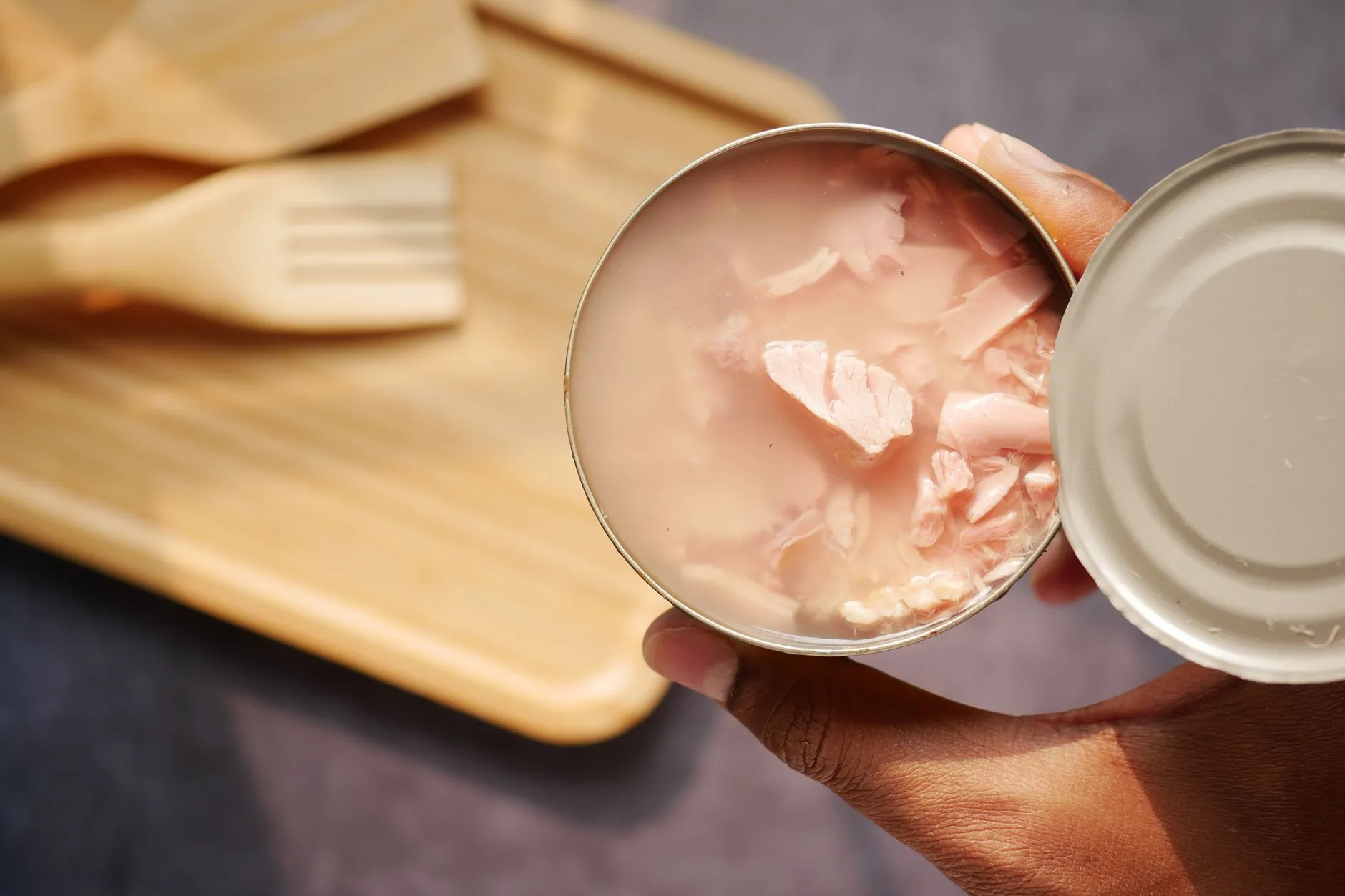
A little plain canned tuna is fine as a rare treat, but tuna made for people shouldn’t be a regular part of your cat’s diet. Here’s why, and how to serve it.
Yes, cats can eat a little tuna, but only as an occasional treat. Tuna made for people isn’t a balanced diet for cats, and cats that eat a lot of it over time can run into real health problems.
Why tuna shouldn’t be a regular meal
Cats love tuna, which is exactly the problem. Some cats will happily eat it in place of their real food. But a can of tuna is just fish. It isn’t formulated to cover everything a cat needs.
The Merck Veterinary Manual notes that diets built from just a few foods are often inadequate for cats. It also describes a specific tuna problem: cats fed large amounts of canned tuna have developed vitamin E deficiency, which can lead to a painful condition called pansteatitis, or “yellow fat disease,” where the body’s fat becomes inflamed. Signs include poor appetite, listlessness, and tenderness when the belly is touched.
Cornell’s Feline Health Center adds that some cats that ate canned fish meant for people developed potentially serious neurological problems.
None of this means one spoonful will hurt your cat. It means tuna belongs in the treat category, not the food bowl.
Mercury
Fish near the top of the food chain build up mercury from what they eat, and tuna carries more than many other fish. According to Merck, fish-based products have been linked to long-term mercury poisoning in cats. Mercury mainly affects the nervous system and kidneys, and it builds up over months or years of regular exposure rather than from a single snack.
The type of tuna matters. In FDA testing, canned albacore (white) tuna averaged about 0.35 parts per million of mercury, roughly three times the 0.13 ppm average for canned light tuna. Neither is a reason to panic over an occasional bite, but it’s one more reason to keep tuna small and infrequent.
Raw tuna and thiamine
Some raw fish contains enzymes called thiaminases, which break down thiamine (vitamin B1). Merck explains that cooking destroys these enzymes, and the heat used in canning is enough to do it. So canned tuna isn’t the thiamine concern.
A thiamine deficiency in cats can cause poor appetite, weakness, nerve problems, and seizures. Merck lists raw freshwater fish and clams as the main sources of thiaminase, but raw fish in general also carries the same germ risks vets raise about raw meat, which Cornell doesn’t recommend for cats as food or as a treat. Skip sushi and sashimi for your cat.
How to serve tuna safely
- Choose tuna packed in water. Oil adds a lot of extra fat and calories.
- Look for no salt added, and avoid tuna in brine. The ASPCA warns that too much salt can cause thirst, vomiting, diarrhea, and in serious cases tremors or seizures.
- Drain it well and offer just a few small flakes.
- Keep it plain. No mayo, no tuna salad, and nothing seasoned. Tuna salad and tuna casseroles often include onion or garlic, which can damage a cat’s red blood cells. The ASPCA notes cats are more sensitive to these than dogs.
- Keep it occasional, not a daily habit.
If your cat ate tuna mixed with onion or garlic, call your vet or a poison hotline for advice: ASPCA Animal Poison Control at (888) 426-4435 or Pet Poison Helpline at (855) 764-7661. Both may charge a fee.
Cat-food tuna is different
Tuna-flavored cat food and tuna you’d buy for a sandwich are not the same thing. Cornell explains that commercial cat foods are developed to give cats the right balance of nutrients and calories, and International Cat Care recommends looking for food labeled “complete,” which means it’s made to meet all of a cat’s nutritional needs.
So a tuna-flavored food labeled complete for your cat’s life stage is fine to feed as a regular meal. Tuna cat treats and toppers are a different story. Like most treats, they usually aren’t complete, so check the label.
How much is too much?
Veterinary sources don’t give a specific tuna limit, so follow the general rule for treats. Cornell says treats shouldn’t make up more than 10 to 15 percent of your cat’s daily calories. For tuna, that means a few small flakes now and then, not a bowlful. If your cat has a health condition or is on a prescription diet, ask your vet before offering any.
For other people foods to watch out for, see our list of foods that are toxic to cats. And if your cat likes protein-rich snacks, plain cooked egg is another option, covered in can cats eat eggs?.
Sources
- Cornell Feline Health Center: Feeding Your Cat
- Merck Veterinary Manual: Nutritional Requirements of Small Animals
- Merck Veterinary Manual: Mercury Toxicosis in Animals
- U.S. FDA: Mercury Levels in Commercial Fish and Shellfish (1990-2012)
- ASPCA Animal Poison Control: People Foods to Avoid Feeding Your Pets
- International Cat Care: Feeding Your Cat or Kitten