Dogs · Guide
Can Dogs Eat Almonds?
No, almonds are not a good snack for dogs. One or two rarely cause harm, but they can upset the belly, block the throat, and cause pancreatitis. Read more.
Almonds are not a good snack for dogs. One or two are unlikely to hurt, but dogs have trouble digesting them. They are high in fat, which can lead to pancreatitis. They can also get stuck in the throat or gut, especially in small dogs. It’s best to skip them.
Why are almonds a problem for dogs?
The American Kennel Club (AKC) says dogs can’t easily digest almonds. It lists three main risks:
- Upset stomach. Signs include vomiting, diarrhea, gas, no appetite, and tiredness.
- Pancreatitis. Almonds, like most nuts, are high in fat. Too much fat can make the pancreas swollen and painful. The ASPCA also lists almonds among nuts with high fat that can cause vomiting, diarrhea, or pancreatitis.
- Blockage. The AKC warns that an almond can block the food pipe, the gut, or the windpipe. This is most likely in small dogs. A blockage can be deadly and may need surgery.
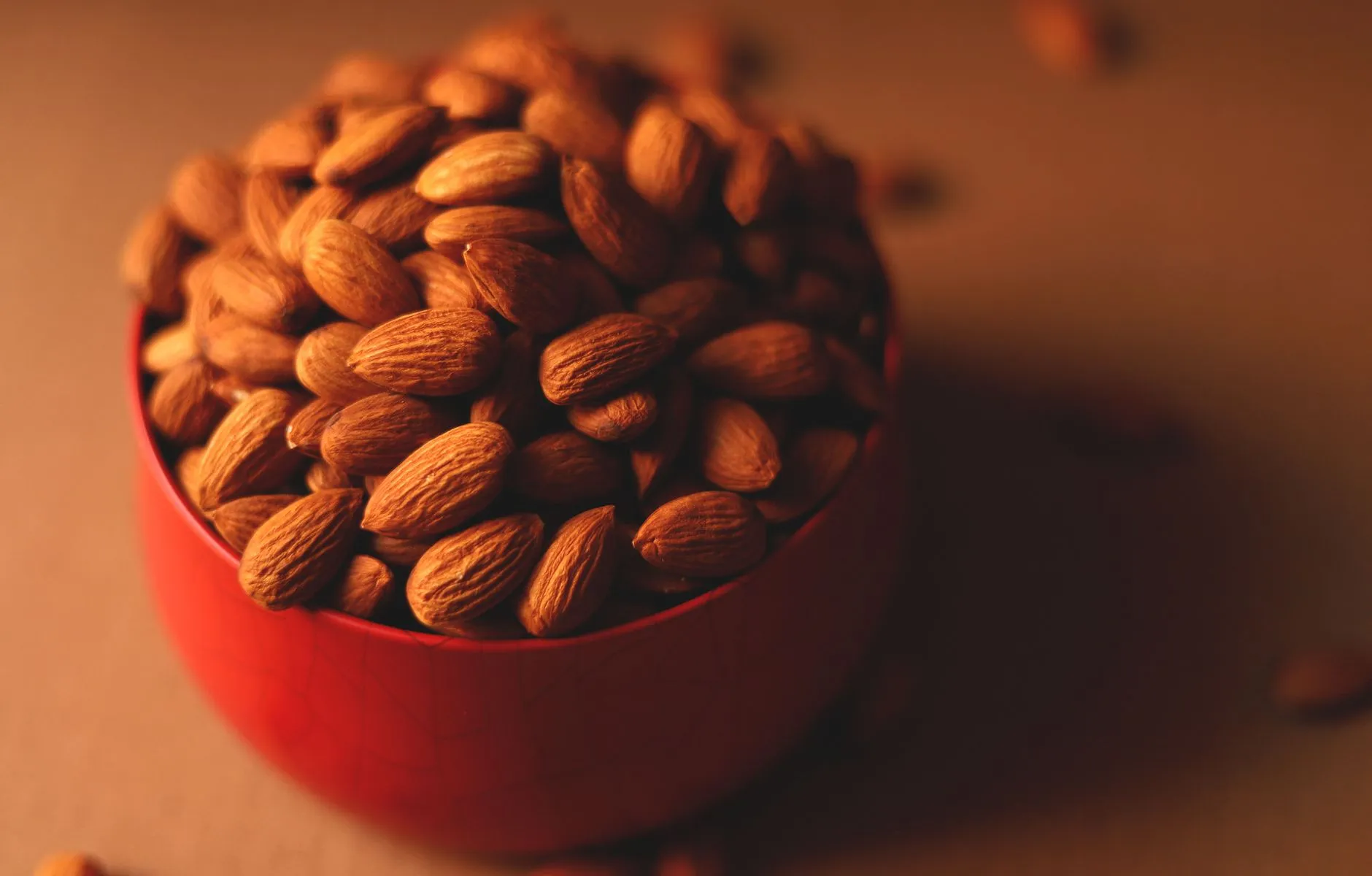
How many almonds can a dog eat?
No source we read gives an amount that is safe. The AKC says one or two almonds are unlikely to cause panic, but you should call your vet if your dog eats more than a few.
Dog size matters too. A small dog has a smaller throat and gut, so a single almond is a bigger deal for them.
What if the almonds were salted or flavored?
Flavored almonds are worse than plain ones. The AKC says spices and flavorings can upset the stomach. It also says a lot of salt can make a dog hold water and can lead to salt poisoning.
Check the label for garlic, onion, chocolate, or sweeteners before you decide how worried to be. When you aren’t sure, call your vet or a poison hotline with the label in hand.
What to do if your dog ate almonds
- Count how many were eaten and check if they were plain or flavored.
- Watch your dog closely. The AKC advises watching for signs of stomach upset or a blockage.
- Call your vet if it was more than a few, if your dog is small, or if any signs show up.
Go to an emergency clinic right away if your dog is gagging, can’t keep anything down, has a swollen or painful belly, or seems very tired.
Other kinds of almond products
Can dogs drink almond milk?
It’s best not to give it. We could not find a veterinary source we trust that says almond milk is good for dogs. So we can’t give a safe amount.
The real worry is what else is in the carton. Xylitol is a sugar substitute found in many sugar-free products. The Merck Veterinary Manual says it can drop a dog’s blood sugar and hurt the liver. Signs can start in 30 minutes, or be delayed up to 12 to 18 hours.
Pet Poison Helpline says to read labels carefully and look for xylitol in the ingredient list. If your dog drinks a product that lists xylitol, call your vet right away. If your dog only licked a little plain almond milk, watch them for an upset stomach, and call your vet if you’re worried.
What about almond butter?
We did not find a source we trust that covers almond butter for dogs. Since it is made from almonds, it’s best to treat it the same way. Some nut butters have extra ingredients, so check the label for xylitol and for salt. Give none if you aren’t sure.
Safer treats to try
Dog treats made for dogs are the easiest choice. Plain fruits like blueberries or banana slices are better picks than nuts. Keep treats to about 10% of your dog’s daily calories. For more foods to avoid, see our guide to foods that are toxic to dogs. If you’re thinking about nut butter, our article on peanut butter for dogs covers the label checks that matter.
Common questions
Are almonds poisonous to dogs?
The sources we read do not call plain almonds poisonous. The AKC says dogs find them hard to digest. The risks are an upset belly, choking or a blockage, and pancreatitis from the fat.
How many almonds can a dog eat?
No source gives a safe amount. The AKC says one or two almonds are unlikely to be a big worry. It says to call your vet if your dog eats more than a few.
Are flavored almonds bad for dogs?
Yes, they add risk. The AKC says spices and flavorings can upset the stomach. Salt can make a dog hold water and, in large amounts, cause salt poisoning.
What is xylitol and why does it matter?
Xylitol is a sugar substitute found in many sugar-free products. The Merck Veterinary Manual says it can drop a dog’s blood sugar and hurt the liver. Always check labels for it.