Dogs · Guide
Can Dogs Eat Chicken Broth?
Yes, dogs can have plain chicken broth with no salt, onion or garlic. Here is how to check the label, what to avoid, and how stock, bouillon and beef broth compare.
Yes, dogs can eat chicken broth, but only a plain one. Pick broth with no onion, no garlic, and little or no salt. Onion and garlic can damage a dog’s red blood cells, and too much salt can make a dog sick. Check the label before you share.
Why does the label matter?
Chicken itself is fine for dogs. The AKC says plain, unseasoned cooked chicken is a good source of protein. Broth is chicken flavor in a liquid, so the problems come from what else is in the pot.
The AKC points out that some broths have onions, garlic or salt added for taste and to keep the broth fresh longer. Those are the three things to look for on the ingredient list.
Is onion or garlic in broth dangerous for dogs?
It can be. The ASPCA says onion, garlic and chives can irritate the stomach and damage red blood cells, which can lead to anemia. Anemia means the blood can’t carry enough oxygen.
The Merck Veterinary Manual adds some useful details:
- Cooking does not make onion or garlic safe. Dogs have been harmed by raw, cooked, dried and powdered forms.
- Garlic is about 3 to 5 times more toxic than onion.
- The biggest risks come from concentrated forms such as dried flakes, powders and dry onion soup mixes.
- Signs often show up a few days later. They include tiredness, weakness, not eating, fast breathing, pale or yellow gums, and collapse.
The Manual’s toxic amounts are given for raw onion, not for broth. I found no source that says how much onion or garlic is in a bowl of broth. So the safest choice is a broth with none.
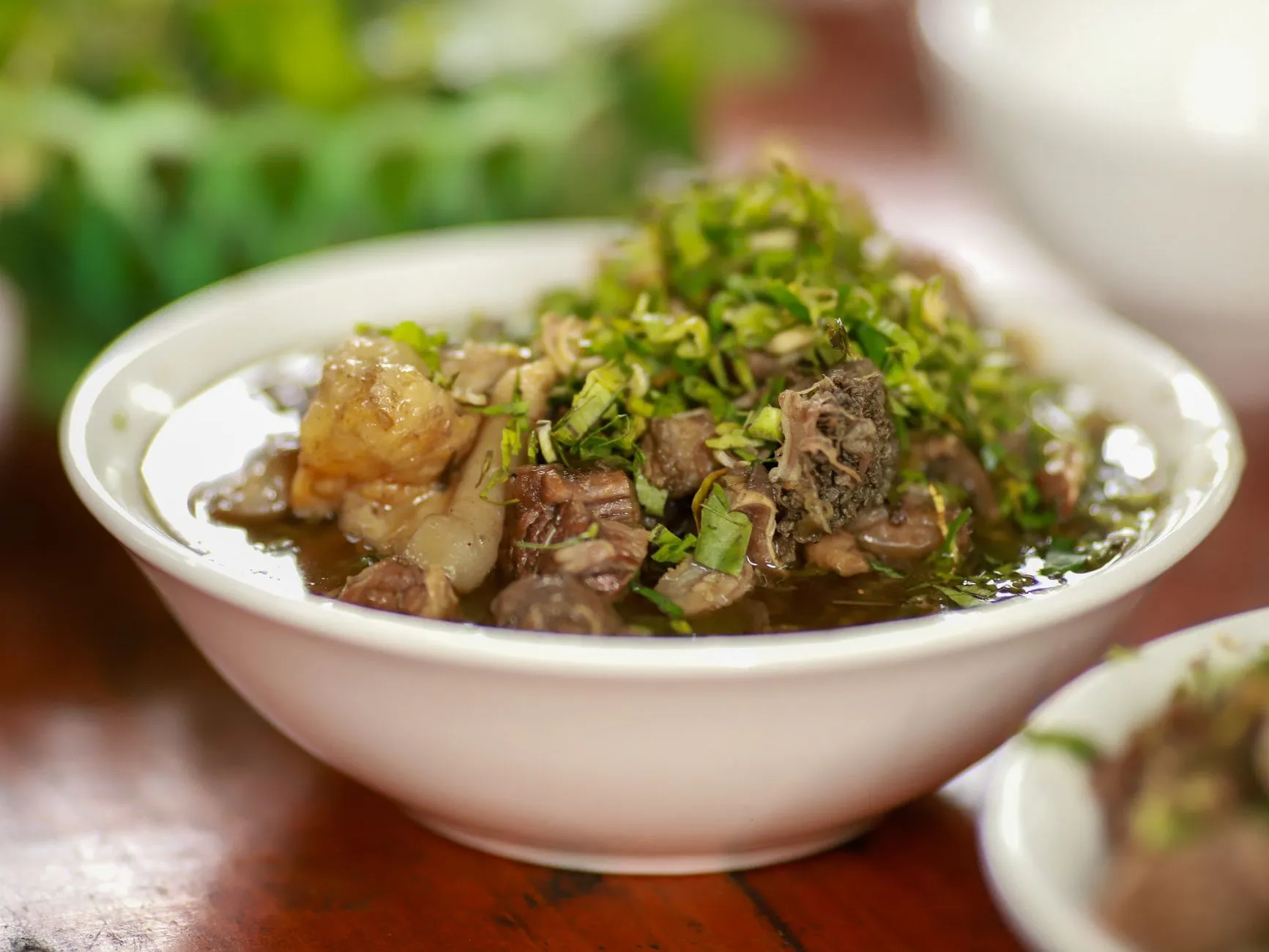
Is salt in broth a problem?
Yes, if there is a lot of it. The Merck Veterinary Manual says too much salt can make dogs vomit within a few hours. In worse cases it can lead to weakness, diarrhea, muscle tremors and seizures. The ASPCA also lists extra thirst and peeing as signs.
A spoonful of broth is far less than the amounts in the Manual, which are measured by body weight. But salt adds up, and many broths are salty. That is why the AKC suggests low-sodium or no-salt-added broth. Always keep fresh water out for your dog.
How can I serve chicken broth safely?
- Choose broth with a short ingredient list and no onion, garlic or added salt, or make plain broth at home.
- If you make it yourself, strain it well. Throw away all bones. The AKC says cooked bones are very dangerous for dogs.
- Use it as a topper. The AKC suggests pouring low-sodium broth on a lick mat and freezing it, or using it for frozen treats.
- Start small, and ask your vet first if your dog has a health condition.
I found no source that gives an amount of broth for dogs, so I won’t give one. Treat broth like any extra: treats should stay under about 10% of your dog’s daily calories.
Other kinds of broth
Can dogs eat chicken stock?
Chicken stock follows the same rules as broth. The label matters more than the name. Plain stock with no salt, onion or garlic is the kind to look for.
Can dogs eat chicken broth with garlic or onions?
No. Skip it. Cooked onion and garlic can still harm dogs, according to the Merck Veterinary Manual. If your dog drinks a lot of it, call your vet.
Can dogs eat beef broth or beef stock?
Yes, if it is plain. The same rules apply as for chicken: no onion, no garlic, and no added salt. The AKC mentions low-sodium or no-salt-added beef broth as an option for frozen treats. Strain out any cooked bones.
Can dogs eat vegetable broth?
Only if the label is clean. The AKC lists vegetable broth with chicken and beef as an option when it is low in sodium. Many vegetable broths are made with onion and garlic, so read the ingredients.
Can dogs eat bouillon or stock cubes?
It’s best not to. I found no vet source that tests bouillon cubes, so this is cautious advice. Cubes are dried and concentrated. The Merck Veterinary Manual says concentrated onion and garlic products, like powders and dry soup mixes, carry the most risk. The Manual also says salt is toxic in large amounts. If your dog eats a cube or a lot of powder, call a vet or poison hotline, especially if the label lists onion, garlic or lots of salt. Choose a plain broth instead.
Other ways to add flavor
- Plain, cooked chicken with no skin, bones or seasoning. The AKC recommends unseasoned roasted, poached, grilled or baked chicken.
- Dog food made with real bone broth. The AKC suggests this over serving broth on its own.
To see more things that can make dogs sick, read our guide to foods that are toxic to dogs. Chicken broth is not the only way to share a tasty treat. Our article on peanut butter for dogs is another popular one.
Common questions
Can dogs have low-sodium chicken broth?
Low-sodium or no-salt-added broth is the kind the AKC suggests when you share broth with a dog. Still read the ingredient list, because some broths add onion or garlic for flavor.
Is store-bought chicken broth bad for dogs?
It can be. The AKC notes that some broths contain onions, garlic or salt. Pick one with a short ingredient list and none of those, or make your own plain broth.
Can dogs eat the cooked bones from broth?
No. The AKC warns that cooked bones are very dangerous for dogs. Chicken bones splinter easily and can cause choking or a puncture in the gut. Strain broth well and throw the bones away.
What if my dog drank broth with onion in it?
Call your vet or a poison hotline for advice. The Merck Veterinary Manual says the worst cases involve concentrated forms like powders, flakes and dry soup mixes, and red blood cell damage can show up a few days later.