Cats · Guide
Can Cats Eat Shrimp?
Yes, cats can eat a little plain, fully cooked shrimp as a treat. Raw shrimp is not a good idea. Here is how to serve it, and what to know about tails.
Yes, cats can eat shrimp, but only plain, fully cooked, and in small amounts. Cooking kills germs that raw seafood can carry. Shrimp is a treat, not a meal. Skip the shell, the sauces, and any garlic or onion.
Is cooked shrimp safe for cats?
Plain cooked shrimp is a reasonable occasional treat. The sources we read do not warn against it. They do warn against raw meat and seafood, and against the extras people add to shrimp.
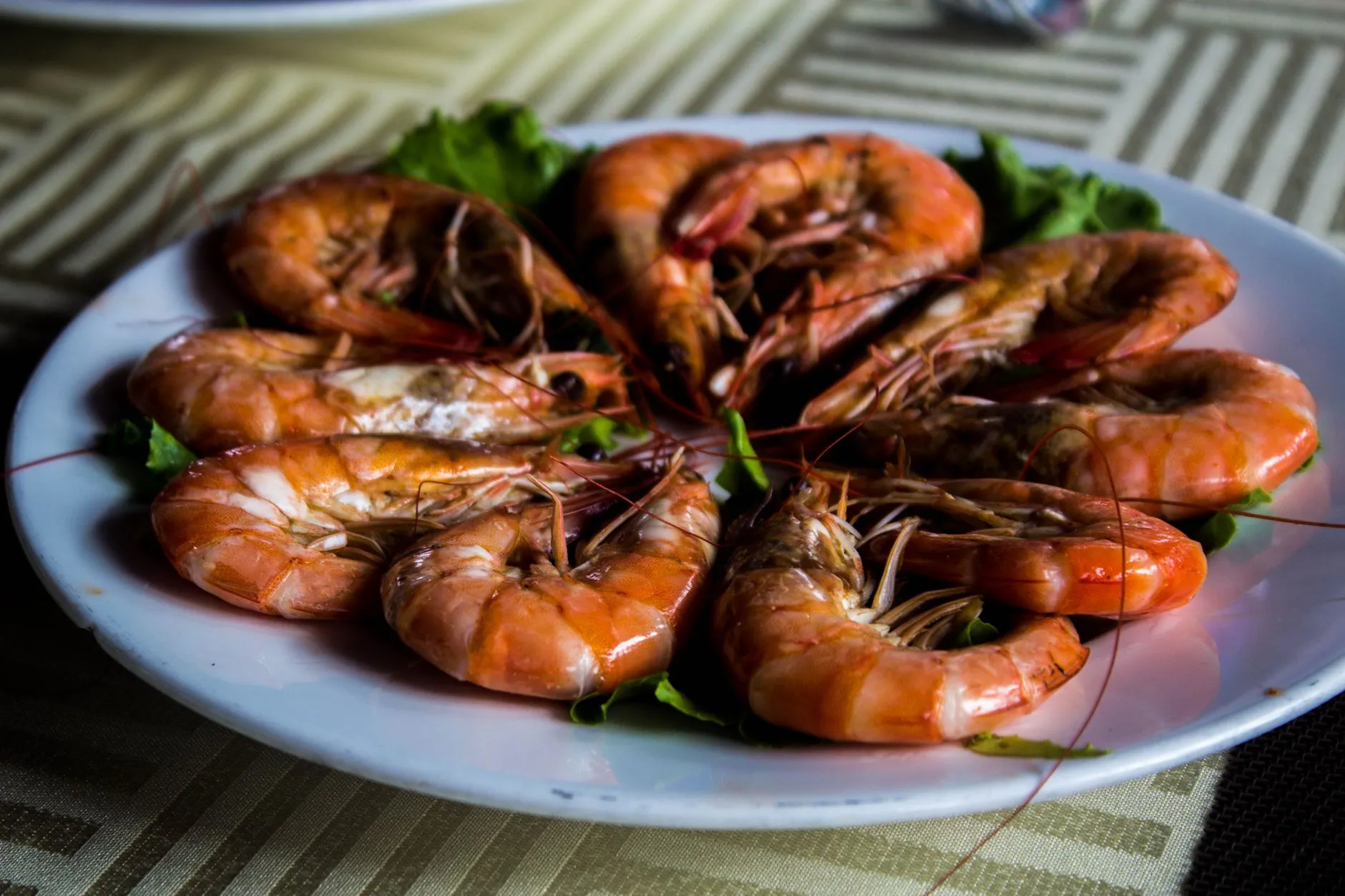
Cook it well. The FDA says shrimp is done when the flesh turns firm, pearly, and opaque (not see-through). Let it cool, then cut it into small pieces.
Keep it plain. No salt, no butter, no sauce, and no seasoning mixes. The ASPCA says too much salt can lead to thirst, vomiting, diarrhea, and in serious cases tremors or seizures.
Why shrimp should not replace cat food
Shrimp is just one food. The Merck Veterinary Manual says diets made from only a few foods are often missing nutrients that cats need. Complete cat food is made to cover everything your cat needs, so shrimp should sit on top of that, not replace it.
Cornell suggests treats stay under 10 to 15 percent of your cat’s daily calories. For shrimp, that means a few small bites, not a bowl. If your cat has a health problem or eats a special diet, ask your vet first.
Why raw shrimp is a bad idea
Don’t give your cat raw shrimp. Cornell does not recommend raw food for cats, either as meals or treats. It says raw foods can carry live bacteria, viruses, and parasites, and that there is no scientific proof they help cats. The ASPCA also warns that raw meat can carry germs like Salmonella and E. coli, which can make both pets and people sick.
The FDA says it is always best to cook seafood all the way through. Freezing can kill parasites, but it does not kill all harmful bacteria.
Other kinds of shrimp
Cooked shrimp
Yes, if it’s plain and fully cooked. Steam or boil it with nothing added, let it cool, and offer a few small pieces. This is the safest form.
Raw shrimp
No. Raw shrimp has the same germ risks as other raw seafood. Cooking is the better choice. If your cat already ate a little raw shrimp, watch for vomiting, diarrhea, or low energy, and call your vet if you see them or if you are worried.
Shrimp shells and tails
Peel them first. None of the sources we read talk about shrimp shells or tails directly, so we can’t give a firm rule. Hard, sharp bits are not easy to chew, and Merck says a blockage in the stomach or intestines is a common problem in cats. Taking the shell and tail off is the simple way to avoid the question.
Call your vet if your cat ate a shell or tail and then starts to:
- Throw up or refuse food
- Seem very tired
- Have diarrhea
- Seem to hurt when you touch the belly
Merck lists all of these as signs of a possible blockage.
Fried, breaded, or seasoned shrimp
No. Shrimp cocktail, scampi, tempura, and shrimp cooked in garlic butter all add extras your cat doesn’t need. The ASPCA says onions and garlic (along with chives) can irritate the stomach and damage red blood cells, which can lead to anemia, and that cats are especially sensitive.
Can a cat be allergic to shrimp?
It can happen with any food. Merck says the most common food allergies in cats are fish, beef, chicken, and milk products. Shrimp is not on that list, and we found no source that gives numbers for it.
Signs of a food allergy include itching, small crusty bumps, hair loss, and red or swollen skin. Merck says the only reliable test is a special diet your vet guides you through. If your cat gets itchy after trying a new food, stop it and talk to your vet.
How to serve shrimp safely
- Buy plain shrimp with no seasoning.
- Cook it all the way through until it is firm and opaque.
- Peel it and take off the tail.
- Let it cool, then cut it into small pieces.
- Offer just a few bites. Try one new food at a time.
Other treats to try
If your cat likes protein snacks, plain cooked egg is another option, covered in can cats eat eggs?. Fish questions come up a lot too, so see can cats eat tuna?. For foods to keep away from your cat completely, see our list of foods that are toxic to cats.
Common questions
Can kittens eat shrimp?
The sources we read do not give advice about shrimp for kittens. Kittens need a complete kitten food for growing, and treats should stay small. Ask your vet before offering shrimp to a kitten.
Is shrimp good for cats?
Shrimp is not harmful when it is plain and fully cooked, but it is not a balanced meal. Merck says diets made from only a few foods are often missing nutrients cats need, so use shrimp as a treat only.
Can cats be allergic to shrimp?
Merck lists fish, beef, chicken, and milk products as the most common food allergies in cats. Shrimp is not named. Any new food can cause itching, so watch your cat after a first taste.
Can cats eat shrimp with garlic or butter sauce?
No. The ASPCA says garlic and onions can irritate the stomach and damage red blood cells in cats. Serve shrimp plain, with no seasoning or sauce.
Sources
- Cornell Feline Health Center: Feeding Your Cat
- Merck Veterinary Manual: Nutritional Requirements of Small Animals
- ASPCA Animal Poison Control: People Foods to Avoid Feeding Your Pets
- U.S. FDA: Selecting and Serving Fresh and Frozen Seafood Safely
- Merck Veterinary Manual: Allergies of Cats
- Merck Veterinary Manual: Disorders of the Stomach and Intestines in Cats