Cats · Guide
Can Cats Eat Wheatgrass?
Only a little. Wheatgrass is not named as a poison for cats, but any plant can upset the belly. Here is how to offer it and what to watch for.
A little fresh wheatgrass is unlikely to hurt most cats. The sources we read do not call it a poison, but the ASPCA has no toxicity details for it. The ASPCA also says any plant can upset a cat’s belly. Offer only a small amount, grown without chemicals.
Is wheatgrass safe for cats?
The ASPCA keeps a plant list for cats. Its wheat grass page does not give a toxicity rating or a list of signs. So we can’t say the ASPCA has cleared it. What the page does say is this: eating any plant material may cause vomiting and an upset stomach in dogs and cats.
That is the honest summary. Wheatgrass is not named as a danger, but there is no strong vet source that says it is a good snack. Treat it as an extra, not as food.
Why do cats like wheatgrass?
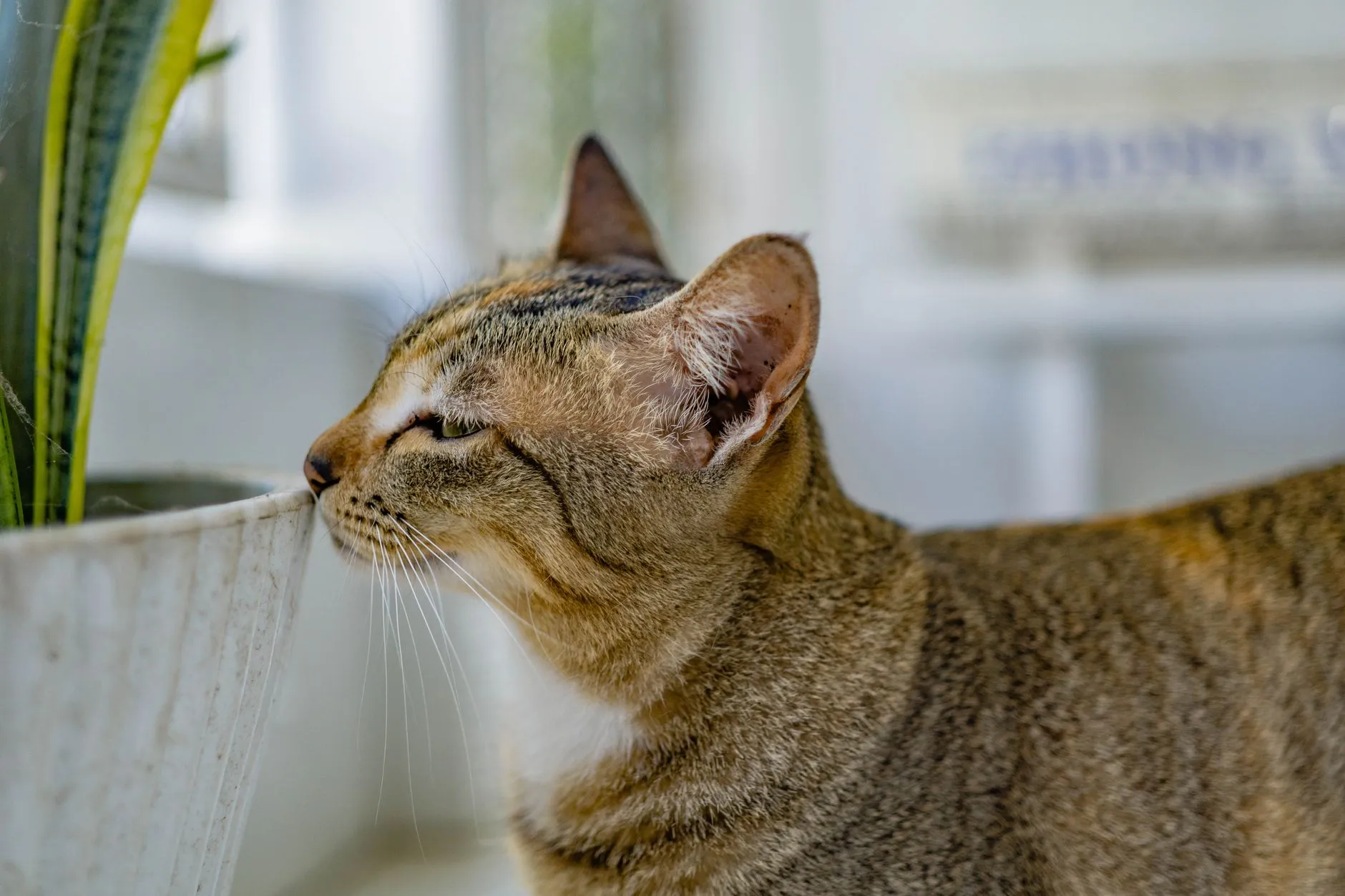
Cornell Feline Health Center says cats that chew houseplants are often indoor cats with little access to grass or other greens. The article says they may be “craving vegetable matter.” Chewing can also be part of play and exploring.
Cornell suggests giving a cat oat grass, catnip, or catmint to chew. It warns that a cat may keep snacking on houseplants anyway. We did not find a vet source that says why cats prefer wheatgrass over other grasses.
How should I serve wheatgrass to my cat?
These steps follow the points in the sources we read:
- Offer a small amount. Wheatgrass is a plant, and the ASPCA says plants can upset the belly. Start with a little and see how your cat does.
- Use a pot you grow yourself, or one made for pets. You know what went into it.
- Skip anything sprayed. The Merck Veterinary Manual says plants treated with weed killer at the label rate are generally not hazardous, and the risk drops once the product dries. Still, it says fresh weed killer on plants can irritate the eyes, skin, and nose, and can make pets vomit or wobble. Read the label, and keep your cat away from anything freshly treated.
- Keep dangerous plants out of reach. Cornell lists lilies, English ivy, philodendron, oleander, and poinsettia as plants that can be deadly. The list is not complete. If your cat likes to chew leaves, block access to your other plants.
What if my cat throws up after eating wheatgrass?
One short bout of vomiting is a common reaction to eating plants, and the ASPCA names it as a possible effect. The Merck Veterinary Manual says to see your vet if vomiting lasts longer than 1 to 2 days or happens more than once or twice a day.
Merck also says to get your cat checked soon if vomiting comes with any of these:
- Blood in the vomit
- Belly pain
- Weakness or low energy
- Dehydration
- Fever
- Weight loss
Merck says some causes of long-lasting or severe vomiting can be life-threatening. It also says to see your vet if hairballs or vomiting keep happening.
Other kinds of wheatgrass
Wheatgrass juice, powder, and pills
The sources we read do not mention these for cats. Cat grass is meant to be chewed fresh. Ask your vet before you give a supplement.
Regular lawn grass
Our guide on whether cats can eat grass covers lawn grass, chemicals, and why cats vomit after eating it.
What can my cat chew instead?
Cornell suggests oat grass, catnip, or catmint. It also suggests adding a little lettuce or parsley to your cat’s bowl, or switching to a higher-fiber cat food. Talk to your vet before changing your cat’s diet. To learn which foods to keep away, see our list of foods that are toxic to cats.
Common questions
Is wheatgrass poisonous to cats?
The sources we read do not say wheatgrass is a poison for cats. The ASPCA page for it has no toxicity details, though. The ASPCA says any plant material may cause vomiting and an upset belly in cats.
Is wheatgrass better than oat grass for cats?
We did not find a vet source that compares them. Cornell Feline Health Center suggests oat grass as a plant for cats to chew. Ask your vet if you are unsure which to grow.
Does wheatgrass help with hairballs?
We did not find a vet source that says wheatgrass prevents hairballs. Merck Veterinary Manual lists regular brushing as a way to prevent them. See your vet if hairballs happen often.
Can my cat eat wheatgrass juice or powder?
The sources we read say nothing about juice, powders, or supplements for cats. Ask your vet before you give any of them.